March 5, 2026
Oral health is an integral part of overall well-being, but it's often overlooked until problems arise. Persistent tooth pain or a lingering tooth ache can be a warning sign of more serious underlying issues that, if ignored, can lead to dire consequences. This article will explore the causes of tooth pain, the impact of neglecting it, associated systemic health risks, and the importance of seeking professional help promptly to prevent complications related to an untreated tooth ache.
1. Understanding the Causes of Tooth Pain
A. Common Dental Issues Leading to Pain
Common causes of tooth pain often originate from dental cavities and gum disease, both of which frequently present as a worsening tooth ache. These conditions occur due to the buildup of plaque, which can lead to extensive decay if not promptly addressed. Cavities form when acids produced by bacteria erode the enamel, leading to sensitivity and pain. Gum disease, characterized by inflammation and infection, can cause pain and swelling, worsening without treatment. Regular dental check-ups and good hygiene practices can prevent these common issues from escalating into chronic discomfort.
B. Less Common Causes of Persistent Toothache
In some cases, tooth pain may result from less common causes such as a cracked tooth or an abscess, both of which can trigger an intense tooth ache. A crack can be microscopic yet cause sharp pain, especially when chewing or exposed to temperature changes. Abscesses, which are pockets of infection, can cause severe throbbing pain and swelling. These conditions require urgent dental attention to prevent further complications. Identifying the exact cause of tooth pain is crucial for effective management and treatment.
C. The Role of Dental Hygiene in Preventing Pain
Maintaining excellent dental hygiene plays a critical role in preventing tooth pain and reducing the likelihood of a recurring tooth ache. Brushing twice a day with fluoride toothpaste and flossing daily helps remove plaque and prevent tooth decay and gum disease. Regular dental visits for cleanings and examinations allow early detection and preventive care. Fluoride treatments and dental sealants offer additional protection for those at higher risk of decay. Consistent oral hygiene practices are the cornerstone of avoiding persistent discomfort.
D. Anatomical Considerations: Why Some Teeth Hurt More
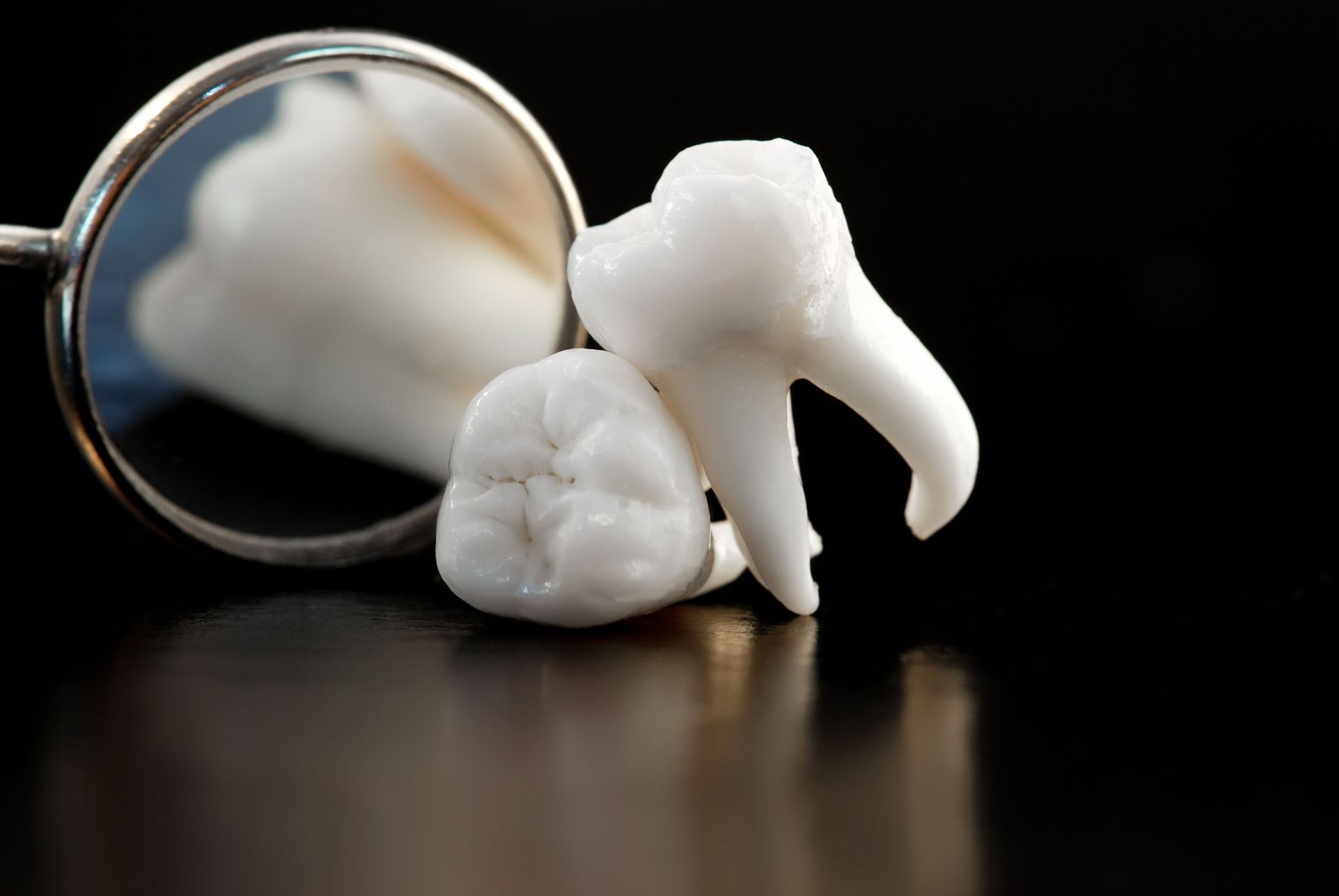
Tooth anatomy plays a role in the susceptibility to pain and the severity of a tooth ache. Molars, with their complex structure and location at the back of the mouth, are more prone to decay and pain. Their deep crevices can harbor bacteria and are harder to clean effectively, making them frequent candidates for cavities and fillings. The roots of some teeth can also be close to the sinus cavity, causing referred pain. Understanding these anatomical factors highlights the importance of targeted hygiene practices.
E. Psychological Factors Contributing to Tooth Pain Perception
Psychological factors can influence how tooth pain and a tooth ache are perceived and managed. Stress and anxiety can heighten pain sensitivity, making minor discomfort feel overwhelming. In some cases, the anticipation of pain can be worse than the pain itself, leading to avoidance of treatment. Developing coping strategies and seeking professional support can help manage the psychological aspects of dental discomfort. Acknowledging these factors is critical to comprehensive care.
2. The Impact of Untreated Tooth Pain on Oral Health
A. Risks of Developing Advanced Dental Diseases
Ignoring tooth pain or dismissing a persistent tooth ache can lead to the development of advanced dental diseases. Untreated cavities can progress to involve the pulp, leading to infections that threaten the entire tooth structure. Periodontal disease can escalate from gingivitis to periodontitis, resulting in tissue and bone loss. These advanced conditions often require more invasive treatment. Early intervention can prevent issues from reaching a critical stage.
B. Complications From Untreated Cavities and Infections
Untreated dental cavities and infections can result in serious complications, including abscess formation that often presents as a severe tooth ache. Abscesses are painful pockets of pus that may spread infection beyond the mouth if left untreated. They can compromise surrounding teeth and jawbone, sometimes requiring surgical intervention. Pain from these conditions can significantly affect daily life. Early treatment prevents escalation and systemic involvement.
C. How Neglected Pain Can Lead to Tooth Loss
Neglecting tooth pain or ignoring a recurring tooth ache can ultimately result in tooth loss. As dental diseases progress unchecked, they weaken the tooth structure and surrounding support tissues. According to the National Library of Medicine, 69% of people between the ages of 35–40 have lost at least one tooth. Tooth loss impacts chewing, speech, and confidence, often requiring restorative procedures. Addressing discomfort early helps preserve natural teeth.
D. Gum Health and Its Connection to Persistent Pain
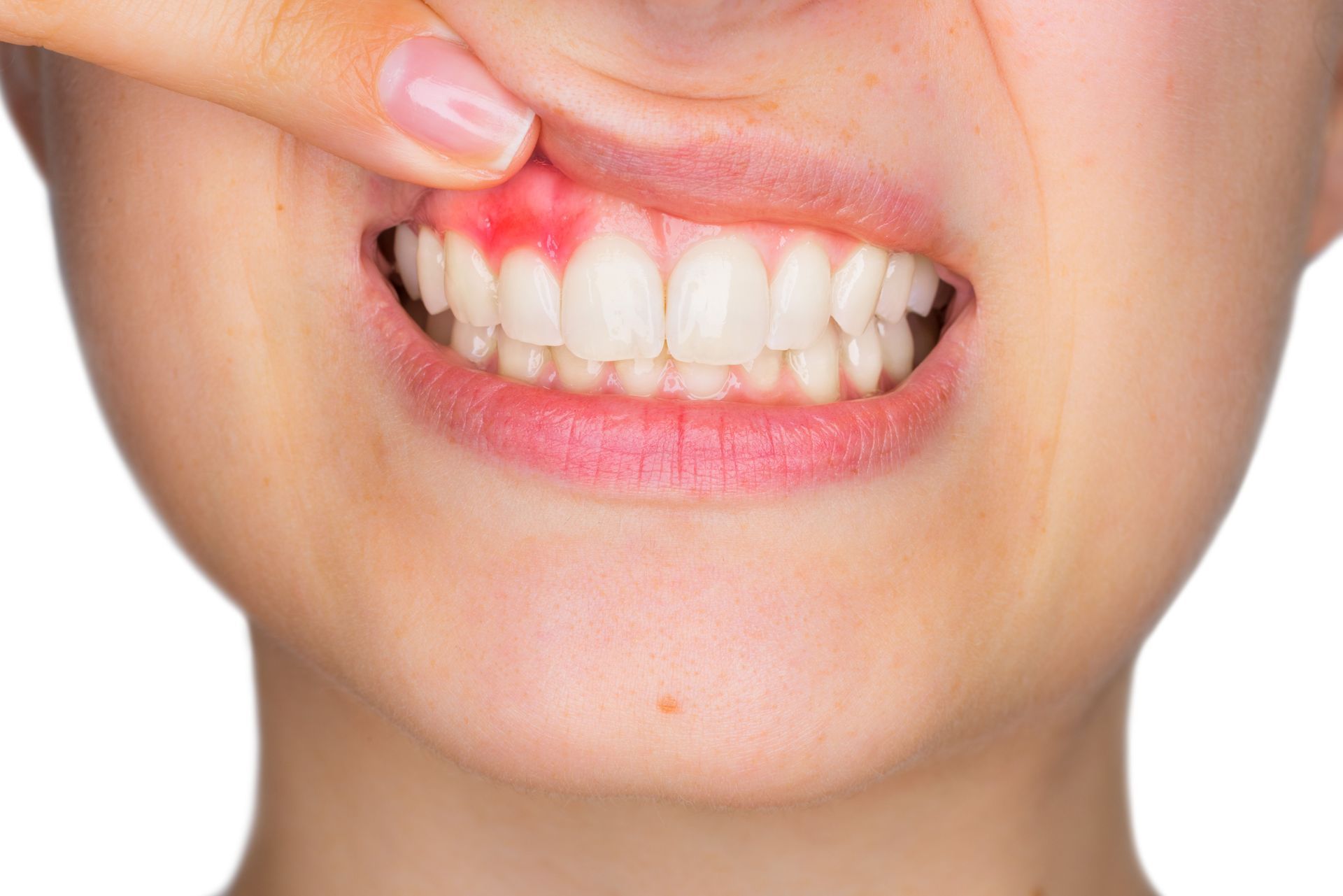
Gum health is closely linked to tooth pain, as inflammation and infection can create a constant tooth ache. Gingivitis may progress to periodontitis if left untreated, leading to gum recession and exposed tooth roots. These exposed areas are highly sensitive and prone to pain. Maintaining healthy gums through consistent hygiene reduces discomfort and long-term damage. Regular dental visits help identify early warning signs.
E. Consequences for Overall Dental Structure and Alignment
Persistent tooth pain may indicate problems affecting the overall dental structure and alignment, often accompanied by a dull tooth ache. Chronic issues can stem from bite misalignment or temporomandibular joint disorders. Teeth may shift to fill gaps, creating uneven pressure and further pain. Addressing pain promptly supports proper alignment and prevents secondary complications. A balanced bite contributes to lasting oral comfort.
3. Systemic Health Risks Associated With Ignoring Tooth Pain
A. Cardiovascular Impact of Oral Infections
Oral infections that cause prolonged tooth pain or tooth ache can impact cardiovascular health. Bacteria may enter the bloodstream, increasing inflammation and contributing to heart disease risk. Periodontal disease has been associated with arterial inflammation and plaque buildup. Treating oral infections promptly reduces systemic strain. This connection emphasizes the importance of dental care in overall health.
B. The Link Between Gum Disease and Diabetes
Gum disease and diabetes influence each other, and unresolved tooth pain can signal underlying infection. Diabetic individuals are more susceptible to gum infections, which can worsen blood sugar control. In turn, uncontrolled diabetes accelerates periodontal disease progression. Managing dental discomfort is part of broader metabolic health. Integrated care supports better outcomes.
C. Oral Health’s Influence on Pregnancy Outcomes
Untreated tooth pain or a sudden tooth ache during pregnancy may increase risks for both mother and baby. Oral infections have been linked to premature birth and low birth weight. Hormonal changes can worsen existing dental conditions. Prompt dental care during pregnancy supports healthier outcomes. Preventive attention remains essential throughout pregnancy.
D. Respiratory Issues Linked to Oral Health
Bacteria associated with tooth pain and chronic tooth ache can be aspirated into the lungs, especially in vulnerable populations. This may worsen respiratory conditions such as pneumonia. Maintaining oral hygiene reduces bacterial load. Addressing dental infections contributes to respiratory health. Dental care plays a role beyond the mouth.
E. The Connection Between Dental Health and Mental Wellbeing
Persistent tooth pain and an unresolved tooth ache can negatively affect mental well-being. Chronic discomfort may lead to anxiety, disrupted sleep, and decreased quality of life. Pain-related stress can interfere with daily responsibilities. Seeking timely dental treatment can restore comfort and confidence. Oral health supports emotional stability.
Addressing persistent tooth pain and responding early to a developing tooth ache is essential for protecting both oral and systemic health. Ignored discomfort can escalate into serious complications and lead to significant financial and health consequences. Preventive care, consistent hygiene, and timely professional attention form the foundation of long-term oral wellness. By prioritizing dental health early, individuals can maintain comfort, function, and quality of life while avoiding unnecessary pain and expense. Contact Nickles Dental Oral Surgery and Family Dentistry.