May 26, 2026
Tooth aches are a prevalent issue that affects a significant portion of the population, creating discomfort and disruption in daily life. The commonality of dental pain is often underestimated, yet almost everyone will experience some form of tooth-related discomfort at some point in their life. Whether stemming from cavities, gum disease, or other dental complications, tooth aches can significantly impede one's ability to perform daily activities. Moreover, the societal and financial burdens associated with treating dental issues are substantial. Recognizing the prevalence of tooth aches is critical for promoting better preventive measures, ensuring early diagnosis, and improving treatment outcomes.
Understanding the Anatomy of a Tooth
The Structure of a Tooth
Each tooth is an intricate structure composed of multiple layers, each serving a unique purpose. The outermost layer is the enamel, known for its hardness and role in protecting the inner tissues of the tooth. Below the enamel lies the dentin, a more porous layer that can be sensitive to stimuli if the enamel is worn away. The pulp, located at the center, contains nerves and blood vessels that are crucial for sustaining tooth health. Understanding these layers helps in comprehending how damage or decay may lead to pain and sensitivity.
The Role of Enamel
Enamel is the hardest substance in the human body, playing a pivotal role in shielding teeth from physical and chemical damage. Its durability and resistance to acidic environments help prevent decay, but it cannot repair itself if damaged. Erosion of enamel due to dietary acids or mechanical abrasion can expose underlying sensitive areas such as dentin. This exposure can lead to increased sensitivity and susceptibility to cavities, further elevating the risk of a tooth ache. Maintaining enamel health through proper oral care is essential to preventing tooth-related discomfort.
Understanding the Dentinal Tubules
The dentin, directly beneath the enamel, is permeated with microscopic tubules that lead to the tooth's nerve center in the pulp. When enamel is compromised, stimuli such as temperature changes can travel through these tubules, eliciting a sharp, painful sensation. This pathway is key to understanding many tooth sensitivity issues people experience. Brushing too hard or acidic food can erode enamel, exposing the dentinal tubules and leading to discomfort. Protection of the dentin is thus fundamental in managing tooth sensitivity effectively.
Common Causes of Tooth aches
Dental Cavities
Cavities, or caries, are among the most prevalent causes of tooth aches, affecting a vast number of individuals worldwide. According to Forbes, about 90% of U.S. adults 20 years and older have experienced at least one cavity, highlighting their commonality. Cavities result from the demineralization of tooth enamel due to acidic by-products of bacterial metabolism in dental plaque. Left untreated, cavities can progress deeper into the dentin and pulp, leading to significant pain and potential tooth loss. Early intervention in cavity development can prevent more extensive dental procedures and the associated discomfort.
Gum Disease and Its Effects
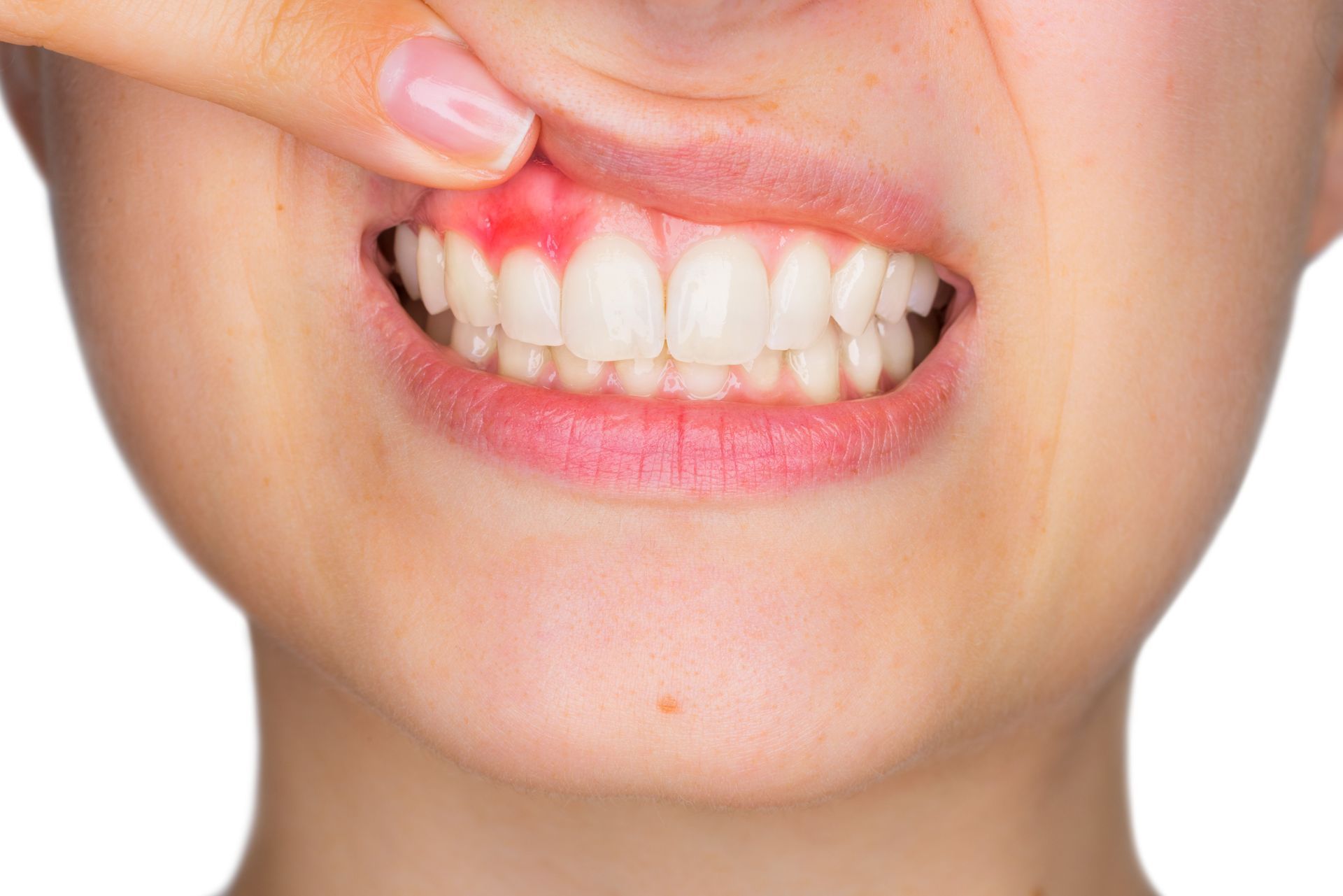
Gum disease, or periodontal disease, is another significant contributor to tooth ache, often resulting from bacterial infection and inflammation of the gum tissues. Initial signs, such as gingivitis, may involve swollen or bleeding gums, but as the condition advances, it can lead to periodontitis, affecting the bone and structures supporting the teeth. This progression can cause teeth to loosen or shift, creating a constant source of pain and discomfort. Additionally, gum disease has systemic health implications, linking it to conditions like diabetes and heart disease. Effective oral hygiene practices and regular dental check-ups are essential in preventing and managing gum disease.
Impacted Wisdom Teeth
Impacted wisdom teeth are a common dental issue that can cause significant pain and discomfort as they attempt to emerge. The lack of sufficient space in the jaw leads these third molars to push against adjacent teeth or become trapped under the gum line. This situation often results in pain, swelling, and even infection if left unaddressed. Surgical extraction is generally recommended to alleviate these symptoms and prevent further oral health complications. Understanding the necessity for potential removal of wisdom teeth can help manage expectations and prepare for preemptive dental care.
Lifestyle and Dietary Factors
The Impact of Sugar and Acidity
Dietary sugar and acidic foods are primary contributors to dental cavities and tooth decay, leading to tooth ache. Foods high in sugar promote the growth of harmful bacteria, producing acids that erode enamel and lead to cavities. Similarly, acidic beverages and foods can directly wear away tooth enamel, exacerbating sensitivity and pain. Reducing consumption and practicing good oral hygiene can mitigate these risks significantly. Awareness and adjustment of dietary habits are crucial for preventing dental issues caused by sugar and acidity, fostering better long-term oral health.
The Effect of Tobacco Use
Tobacco use has detrimental effects on oral health, often exacerbating or contributing to tooth aches and other dental issues. Smoking can impair blood flow to the gums, compromising their health and exacerbating periodontal disease, a leading cause of tooth loss. Additionally, the chemicals in tobacco can lead to dry mouth, staining, and increased plaque accumulation, further contributing to conditions that can result in a tooth ache . Quitting smoking is beneficial not only for general health but also for maintaining a healthy mouth and minimizing the risk of dental pain. Education and cessation support are vital steps in mitigating the harmful impacts of tobacco on oral health.
Stress and Its Oral Manifestations
Stress is a multifaceted factor impacting oral health, often manifesting as bruxism, gum disease, and mouth sores, leading to dental pain. Stress-induced bruxism occurs unconsciously, especially during sleep, contributing significantly to tooth wear and discomfort. Additionally, stress can lead to neglect of oral hygiene routines and increased consumption of unhealthy foods, exacerbating dental issues. Addressing stress through lifestyle changes, therapeutic interventions, and consistent dental care can help reduce its negative consequences on oral health. Understanding the link between stress and dental health can aid in comprehensive oral care strategies.
The Impact of Socioeconomic Factors
Access to Dental Care
The accessibility of dental care is critical in preventing and managing tooth aches, significantly influenced by socioeconomic factors. Populations with limited access to dental services often experience higher rates of untreated decay and subsequent dental pain. Geographic and economic barriers can prevent timely check-ups, exacerbating existing oral health issues. Community health initiatives and mobile dental clinics can help bridge the gap for underserved communities, offering essential preventive care. Efforts to improve dental care access must address both financial and geographical challenges to be successful.
Insurance and Financial Constraints
Financial constraints and lack of dental insurance frequently prevent individuals from seeking necessary dental treatment, leading to untreated tooth aches. Many people avoid dental care due to high out-of-pocket costs, allowing minor issues to progress to severe conditions requiring more extensive treatment. Expanding access to affordable dental insurance and subsidized care is essential to combat this issue. Understanding and addressing the economic barriers to dental care can help alleviate the widespread impact of tooth aches on public health. Comprehensive healthcare policies should integrate dental services as a fundamental component of overall health coverage.
Education and Awareness
Education and awareness are pivotal in reducing the incidence of tooth aches, empowering individuals to take charge of their oral health. Public health campaigns and educational programs can disseminate critical information about preventive care, symptoms to watch for, and when to seek professional help. Misconceptions about dental pain often delay treatment, leading to more severe consequences. Increasing awareness about the long-term benefits of routine dental care and oral hygiene can promote better public understanding and dental health outcomes. Enhanced educational efforts can bridge knowledge gaps and encourage proactive health management.
Proactive oral care and a deep understanding of dental anatomy are the most effective defenses against the debilitating impact of a tooth ache. By addressing dietary habits, managing stress, and seeking professional intervention at the first sign of sensitivity, you can prevent minor decay from escalating into a significant health crisis. Ultimately, consistent maintenance and regular check-ups with a trusted dental professional ensure that your smile remains healthy, functional, and pain-free for a lifetime.
Don’t let dental pain disrupt your life. Contact Nickles Dental Oral Surgery and Family Dentistry today for a comprehensive evaluation and personalized care