May 28, 2026
The removal of wisdom teeth has long been associated with significant distress, presenting a challenge for both patients and dental professionals. Fortunately, modern advancements in dentistry have successfully transformed this experience, making wisdom teeth removal more comfortable and less daunting for patients. This article explores how these innovations have revolutionized wisdom teeth extraction, ushering in an era where patient-centered care remains paramount.
Evolving Dental Practices
Historical Challenges of Wisdom Teeth Removal
Historically, wisdom teeth extraction was a formidable task due to the limited technology and anesthetics available. Patients often faced extended periods of pain and discomfort as dental procedures were executed without the convenience of modern pain management techniques. The risks of complications were higher as dentists relied on primitive tools that offered little precision in navigating complex tooth structures. Furthermore, the absence of advanced diagnostic imaging made it challenging to fully assess the intricacies involved in each case, leading to less predictable outcomes. The necessity for innovation in dental practices became evident as both patients and practitioners sought more effective solutions.
Advances in Dental Education and Training
With the evolution of dental education, practitioners now undergo comprehensive training that emphasizes precision and patient care. Comprehensive knowledge of anesthesia and patient management has enabled these professionals to execute safer and more patient-friendly extractions. Nowadays, the procedures are streamlined in efficiency as well as techniques. According to WebMD, wisdom teeth removal surgery usually takes only 45 minutes or less. Moreover, continuous professional development programs ensure that even seasoned dentists stay abreast of new techniques, further enhancing the quality of care patients receive. This commitment to innovation in education underpins the safer and more comfortable experiences patients now encounter during wisdom teeth removal.
Introduction of Minimally Invasive Techniques
The adoption of minimally invasive techniques has been transformative in the field of oral surgery. These procedures emphasize smaller incisions and less tissue disruption, which inherently reduce recovery time and post-surgical discomfort for patients. Innovations such as micro-surgical tools and laser technology allow for precise interventions that mitigate the risk of damage to surrounding areas. By focusing on minimal harm to the tissue, the chance of inflammation and infection decreases significantly. Patients benefit from quicker recovery times and a reduced likelihood of complications, making the overall process far more tolerable than traditional methods.
State-of-the-Art Diagnostic Tools
3D Imaging Technology for Precise Imaging
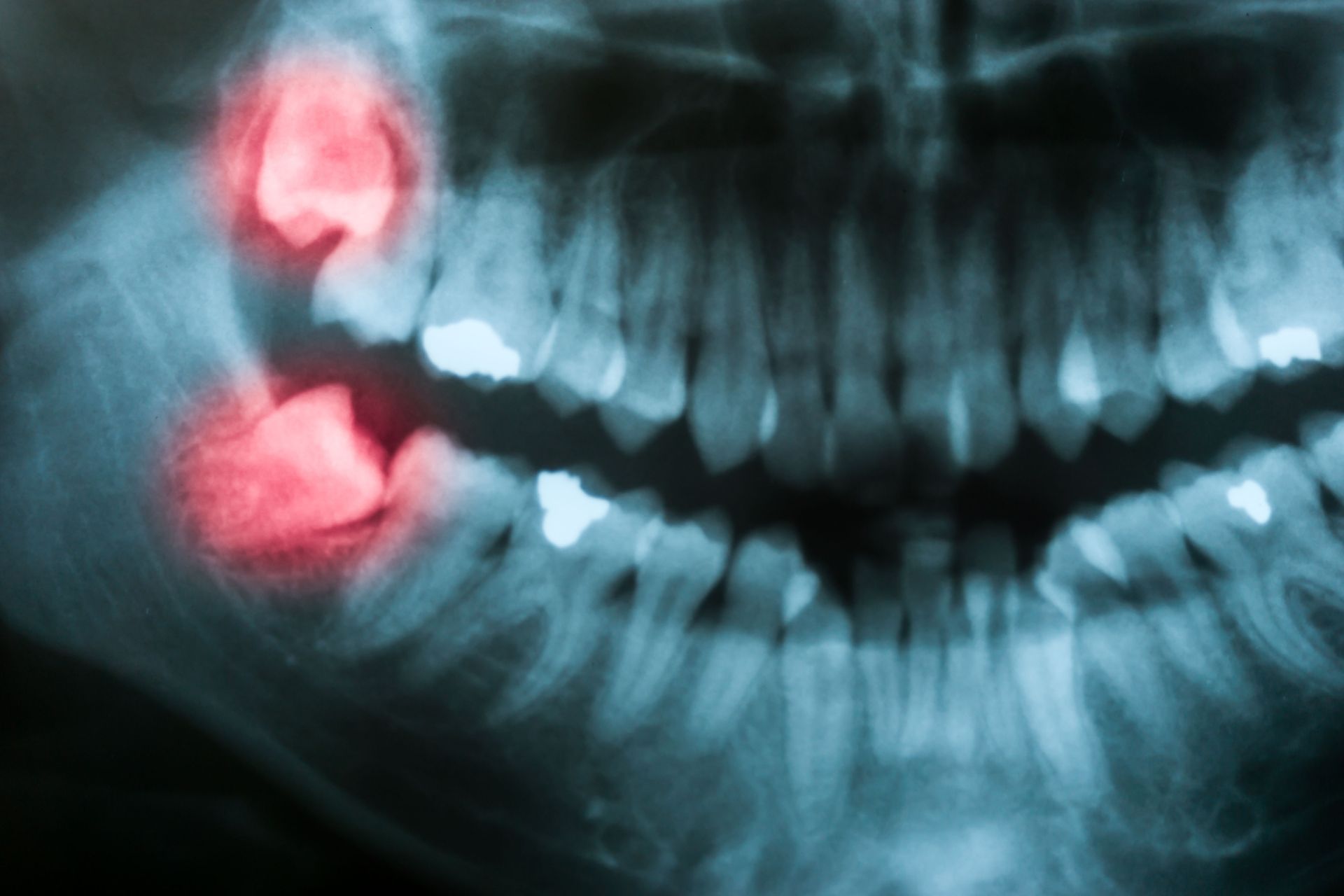
High-resolution 3D imaging technology represents a groundbreaking advancement in dental diagnostics, particularly relevant in the context of wisdom teeth extraction. This technology offers clinicians a comprehensive view of the oral cavity, illustrating the precise positioning and relationship of wisdom teeth to other structures in a manner that traditional X-rays cannot achieve. These detailed images allow for more accurate pre-surgical planning and improved risk assessment surrounding potential nerve damage or sinus involvement. Consequently, dentists can design more targeted treatment strategies, ensuring patient safety while enhancing procedural outcomes. The transition to 3D imaging signifies a leap forward in delivering personalized and efficient care.
Digital X-Rays for Precision and Safety
Digital X-rays have superseded traditional film-based methods in dental practices due to their precision and safety benefits. They provide high-resolution images of the oral cavity with significantly less radiation exposure, making them a safer option for patients. The immediacy with which digital X-ray results can be processed and analyzed shortens the diagnostic process, allowing clinicians to move swiftly from evaluation to treatment planning. In wisdom teeth extraction, digital X-rays facilitate a clearer understanding of tooth orientation and potential complications, aiding in the minimization of surgical surprises. The accuracy and efficiency provided by digital X-rays play a critical role in ensuring positive patient outcomes.
Predictive Modeling for Pre-Surgical Planning
Predictive modeling has emerged as an innovative tool in dental surgery, particularly aiding in the pre-surgical planning of wisdom teeth extraction. By leveraging data from previous cases and integrating it with specific patient information, predictive modeling helps forecast potential challenges and outcomes. This approach enables dentists to design precise, individualized surgical plans, considering factors like tooth impaction level, angle, and associated risks. Such foresight minimizes intraoperative uncertainties, reducing the likelihood of complications and improving recovery times. Predictive modeling is an example of how data-driven strategies are enhancing the quality and precision of patient care in modern dentistry.
Advanced Anesthetic Options
Local Anesthesia: Maintaining Comfort at the Source
Local anesthesia remains a staple in pain management for dental procedures, ensuring comfort directly at the site of intervention. By numbing the specific area where the wisdom tooth is located, patients experience significantly reduced discomfort during and immediately after the procedure. Local anesthetics provide the dentist with control over pain management while enabling patients to remain conscious, ensuring safety and simplicity throughout the extraction process. The efficacy of local anesthesia in managing pain underscores its continued importance in modern dental practices.
Sedation Dentistry: Options for Every Patient's Needs
Sedation dentistry provides a spectrum of options catering to varying levels of patient anxiety and procedure complexity. From mild sedatives that relieve patient stress to moderate conscious sedation that leaves patients drowsy yet responsive, these methods significantly enhance procedural comfort. For more apprehensive patients, sedation can transform the experience of wisdom teeth removal, making it far less intimidating. Sedation dentistry is specifically advantageous in managing dental anxiety, allowing patients to undergo necessary procedures without fear or discomfort. The strategic integration of sedation into practice takes patient comfort to new heights, embodying a more personalized approach to dental care.
General Anesthesia: For Complex Cases
In cases where wisdom teeth removal is expected to be particularly challenging or involves multiple teeth, general anesthesia may be employed. This option ensures the patient is entirely unconscious during the procedure, thus eliminating awareness of, and response to, pain. General anesthesia is instrumental in addressing highly complex cases where invasive surgical action is unavoidable or for patients with extreme dental anxiety. It requires the presence of anesthesiologists and carries a more stringent protocol due to its comprehensive effects. The ability to utilize general anesthesia in dental settings underscores the capacity modern practices have to adapt to diverse patient needs while maintaining maximal safety standards.
Minimally Invasive Surgical Techniques
Small Incisions for Faster Recovery
The strategic use of small incisions has marked a significant shift in surgical practices, promoting faster recovery for patients undergoing wisdom teeth extraction. By minimizing tissue trauma, this approach reduces postoperative swelling and discomfort, allowing for a speedier return to normal activities. Smaller incisions mean less bleeding and a considerably lower risk of post-surgical complications such as infection. For patients, this translates into a more predictable recovery timeline and a decrease in time away from daily responsibilities or work. Innovations in surgical techniques ensure that even complex extractions are executed with precision, prioritizing patient well-being throughout the process.
Post-Operative Care and Guidelines
The development of comprehensive post-operative care guidelines supports effective recovery following wisdom teeth surgery. Patients are provided with detailed instructions that include dietary modifications, pain management strategies, and oral hygiene practices tailored to their individual needs. Adherence to these guidelines is vital in preventing complications such as dry socket, promoting optimal healing, and returning to normalcy. Regular post-operative follow-ups allow for the monitoring and early detection of potential issues, ensuring timely interventions if necessary.
Reduced Risk of Complications and Infections
Reducing the risk of complications and infections post-surgery is a core focus in the realm of dental care. By employing sterile surgical environments, utilizing evidence-based protocols, and adhering to stringent hygiene measures, dental offices can uphold a high standard of patient safety. Antibiotic prophylaxis is strategically used in cases where infection risk is deemed higher, counteracting potential post-extraction issues. These concerted efforts in infectious control and risk mitigation reinforce the reliability and safety associated with modern wisdom teeth extraction practices.
Wisdom teeth extraction has evolved from a historically difficult and often distressing procedure into a highly refined and patient-centered aspect of modern dentistry. Advances in diagnostic imaging, surgical techniques, anesthesia, and clinical training have collectively reduced uncertainty, minimized discomfort, and significantly improved recovery outcomes. As dentistry continues to progress, these innovations will likely become even more sophisticated, further enhancing efficiency and comfort while reducing risks. To learn more about wisdom teeth removals or schedule an appointment for the procedure, give a call to Nickles Dental Oral Surgery and Family Dentistry today.