February 10, 2026
Dealing with a cracked tooth or any other dental issue can be a daunting and painful experience, a challenge that requires immediate attention to prevent further damage or potential infection. The inconvenience and sensitivity associated with a cracked tooth or even a cavity highlight the importance of effective management until you can visit a dental professional. According to the CDC, in the U.S., roughly 21% of adults between the ages of 20 and 64 have at least one untreated cavity. Awareness and proactive care are key to maintaining oral health and ensuring that a cracked tooth or cavity doesn't escalate into a more serious issue. Understanding the implications of a cracked tooth can help you know when to see a same day dentist.
Identifying the Symptoms of a Cracked Tooth
Understanding Different Types of Cracks
Cracked teeth can manifest in various forms, each requiring distinct levels of attention. Fissures may range from minor craze lines, commonly found in the outer enamel, to more severe fractures extending into the gum line. Recognizing the type of crack present is crucial in prioritizing the urgency of dental intervention. Despite the severity of the damage, even hairline cracks can harbor bacteria, potentially leading to infection or decay if not promptly managed. Therefore, discerning between the different forms of cracks can help in determining the appropriate immediate response required to protect dental health.
Recognizing Pain and Sensitivity
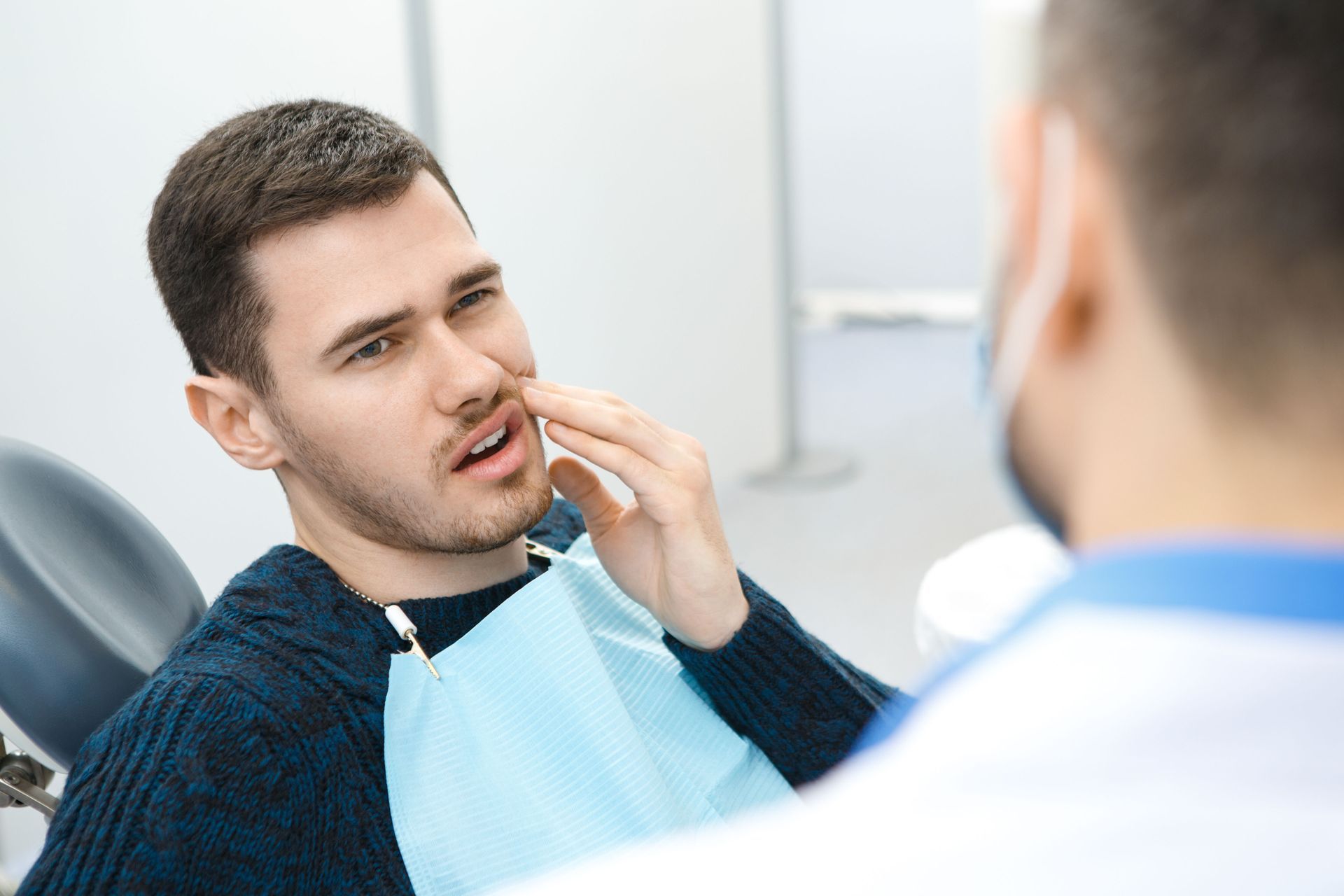
Pain is often the first noticeable indicator of a cracked tooth, and it might manifest unexpectedly or in response to specific stimuli. For instance, biting down can exacerbate the discomfort, as can exposure to temperature changes, like eating ice cream or sipping hot coffee. Sensitivity, particularly to sweet or acidic foods, may also suggest the presence of a crack and warrants careful observation. While over-the-counter pain relievers can be effective in managing discomfort temporarily, they should not replace professional dental evaluation. Consistent or severe pain typically signals a more substantial issue that necessitates prompt attention by a same day dentist.
Changing Bite and Pressure
A cracked tooth can lead to alterations in bite alignment, making chewing an issue and affecting overall oral health. One may notice that biting feels off or uneven, a sign that pressure distribution within the mouth has been compromised. This misalignment not only affects eating habits but can also exacerbate the crack, increasing the risk of additional complications. Such symptoms prompt the need for protective measures to stabilize the situation until professional dental care can be sought. Recognizing and responding to these changes early acts as a safeguard against further oral health deterioration.
Noticing Swelling or Tenderness
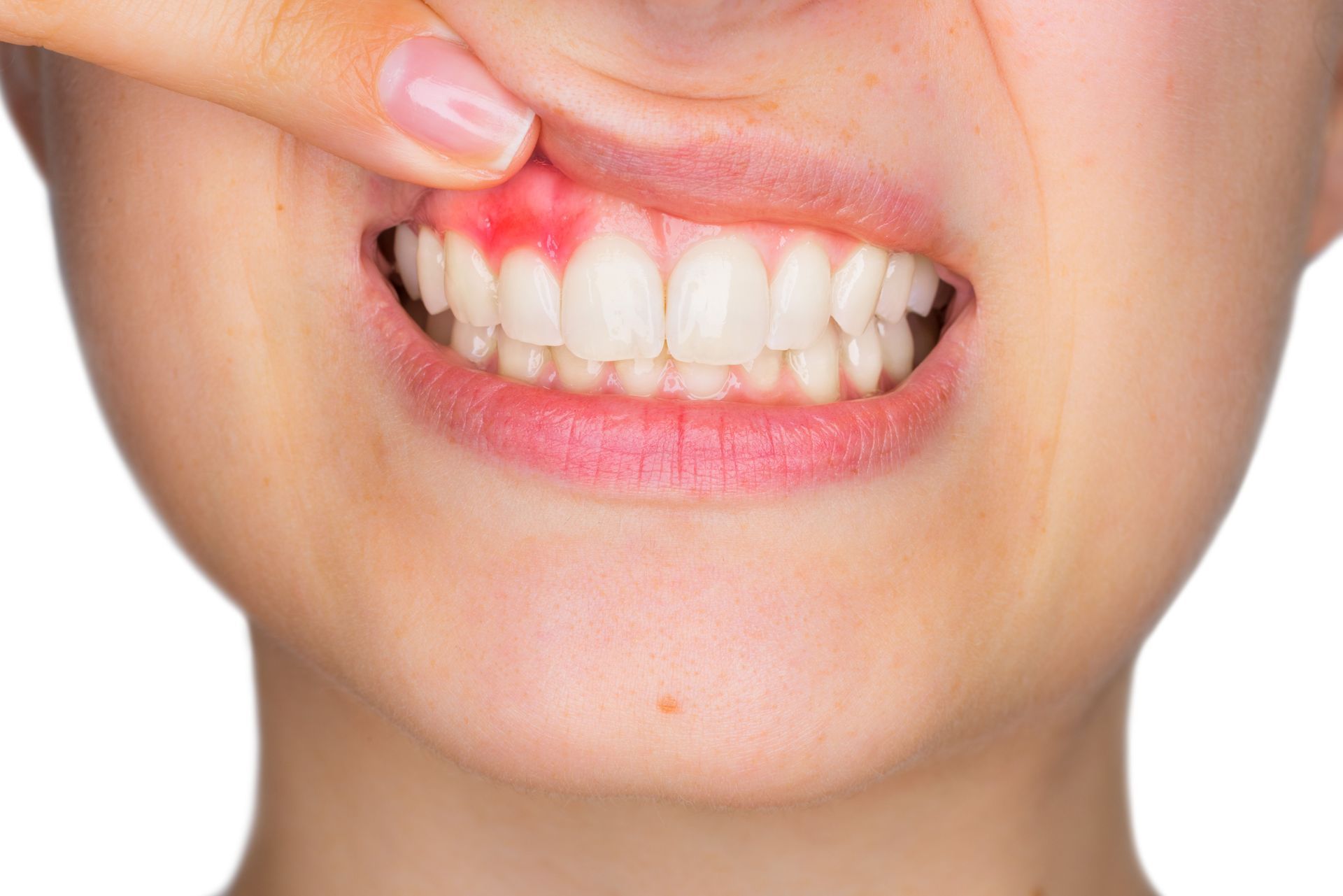
Swelling or tenderness around the affected tooth is indicative of irritation, a response that suggests possible inflammation beneath the gum line. These symptoms can often accompany a cracked tooth and may signal infection, necessitating more urgent attention. Noticing swelling offers vital clues about the severity and potential risks associated with the crack. Using ice packs and saltwater rinses is recommended for mitigating discomfort and inflammation in the interim. However, persistent swelling or the emergence of pus should be addressed by a dental professional to prevent escalation.
Acknowledging Other Sensory Changes
In addition to pain and swelling, other sensory changes, such as an altered taste or pressure sensations, can accompany a cracked tooth. Metallic or otherwise unusual tastes might indicate bacterial presence within a crack, potentially leading to infection if not addressed. Being alert to any atypical sensory experiences can provide valuable early warning signs, prompting individuals to seek timely dental advice. Monitoring these sensations can prevent the development of further complications that could arise if a cracked tooth is left unattended. Overall, awareness and response to sensory changes play a pivotal role in protecting one's oral health.
Caring at Home
Rinsing With Salt Water
A simple yet effective home remedy for managing a cracked tooth is rinsing with salt water, which helps reduce bacteria and alleviate pain. Salt water acts as a natural disinfectant, minimizing the risk of infection while promoting healing in affected areas. Regularly rinsing can help soothe inflammation, providing temporary relief from pain and discomfort. As a precautionary measure, saltwater rinses are easy to prepare, making them a convenient option in managing minor oral irritations. Nonetheless, while salt water rinsing is beneficial, it should complement, not replace, professional dental care.
Using Ice Packs to Reduce Swelling
Applying ice packs to the affected area can significantly reduce swelling and numb the pain associated with a cracked tooth. Ice constricts blood vessels, diminishing inflammatory responses and providing temporary relief. This technique is particularly useful for addressing immediate pain, making it a practical solution if a dental visit isn't immediately available. Care should be taken to wrap the ice pack in a cloth to avoid direct contact with the skin, which can lead to cold burns. Alternating 15 minutes on, 15 minutes off is a safe practice to reduce inflammation effectively.
Getting Over-the-Counter Pain Relief Options
For many, over-the-counter (OTC) medications offer a reprieve from the discomfort of a cracked tooth. Analgesics such as ibuprofen and acetaminophen can help manage pain and inflammation when used as directed. While OTC pain relievers are generally safe for short-term use, they should not mask the underlying need for professional dental evaluation. Prolonged reliance on OTC medications can lead to overuse and may obscure potential complications. Individuals need to use these medications to assist in immediate pain relief while planning a visit to a same day dentist promptly.
Avoiding Certain Foods and Behaviors
Keeping a cracked tooth stable involves avoiding foods and behaviors that might exacerbate the situation. Hard, sticky, or chewy foods can increase stress on the crack, leading to further damage or discomfort. Additionally, habits such as grinding teeth or using the affected tooth as a tool to open packages should be curtailed to avoid worsening the condition. Being mindful of such behaviors fosters a more controlled environment for the tooth, aiding in preservation until dental assistance is available. Over time, these proactive adjustments considerably reduce the risk of further complications developing.
Applying Temporary Dental Kits
Temporary dental kits provide valuable resources comprising dental wax, temporary fillings, and tooth cushions to mitigate immediate difficulties with a cracked tooth. These kits can be acquired over the counter, enabling individuals to apply protective barriers that stabilize the crack and provide relief from sensitivity. While these kits are not a long-term solution, they bridge the gap between identifying a crack and receiving professional dental care. Practical and straightforward to use, temporary kits afford individuals peace of mind and a means of impactful intervention. Nevertheless, the usage of these kits should prompt scheduling an appointment with a same day dentist for definitive solutions.
Managing a cracked tooth requires awareness, timely action, and thoughtful care to limit discomfort and reduce the risk of complications. By recognizing symptoms early and applying practical home care measures, individuals can protect the affected tooth and maintain oral stability until professional treatment is available. Simple steps such as avoiding aggravating foods, managing swelling, and using temporary dental solutions can make a meaningful difference in preventing further damage. While these measures offer short-term relief, they are not substitutes for dental care. Prompt evaluation by a same day dentist remains essential for addressing the underlying issue and supporting long-term oral health. When you need a same day dentist , contact us at Nickles Dental Oral Surgery and Family Dentistry.