March 12, 2026
Wisdom teeth removal is a common dental procedure that many patients undergo during late adolescence or early adulthood. While some people experience little to no issues with their third molars, others face pain, infection, or misalignment that necessitates extraction. Understanding the process, risks, and recovery involved in wisdom teeth removal can help patients feel informed and prepared. This article provides an in-depth explanation of wisdom teeth extraction, what to expect before and after surgery, and tips for a smooth recovery.
Understand What Wisdom Teeth Are
Wisdom teeth, also called third molars, are the last set of molars to develop, usually appearing between the ages of 17 and 25. In many cases, these teeth do not have sufficient space to emerge properly, leading to crowding or impaction. Impacted wisdom teeth can grow at an angle, remain trapped beneath the gums, or partially erupt, which can result in discomfort, infection, or misalignment of neighboring teeth. Dentists often recommend removing wisdom teeth before complications arise, especially when X-rays show potential issues.
Recognize Signs That Removal Is Needed
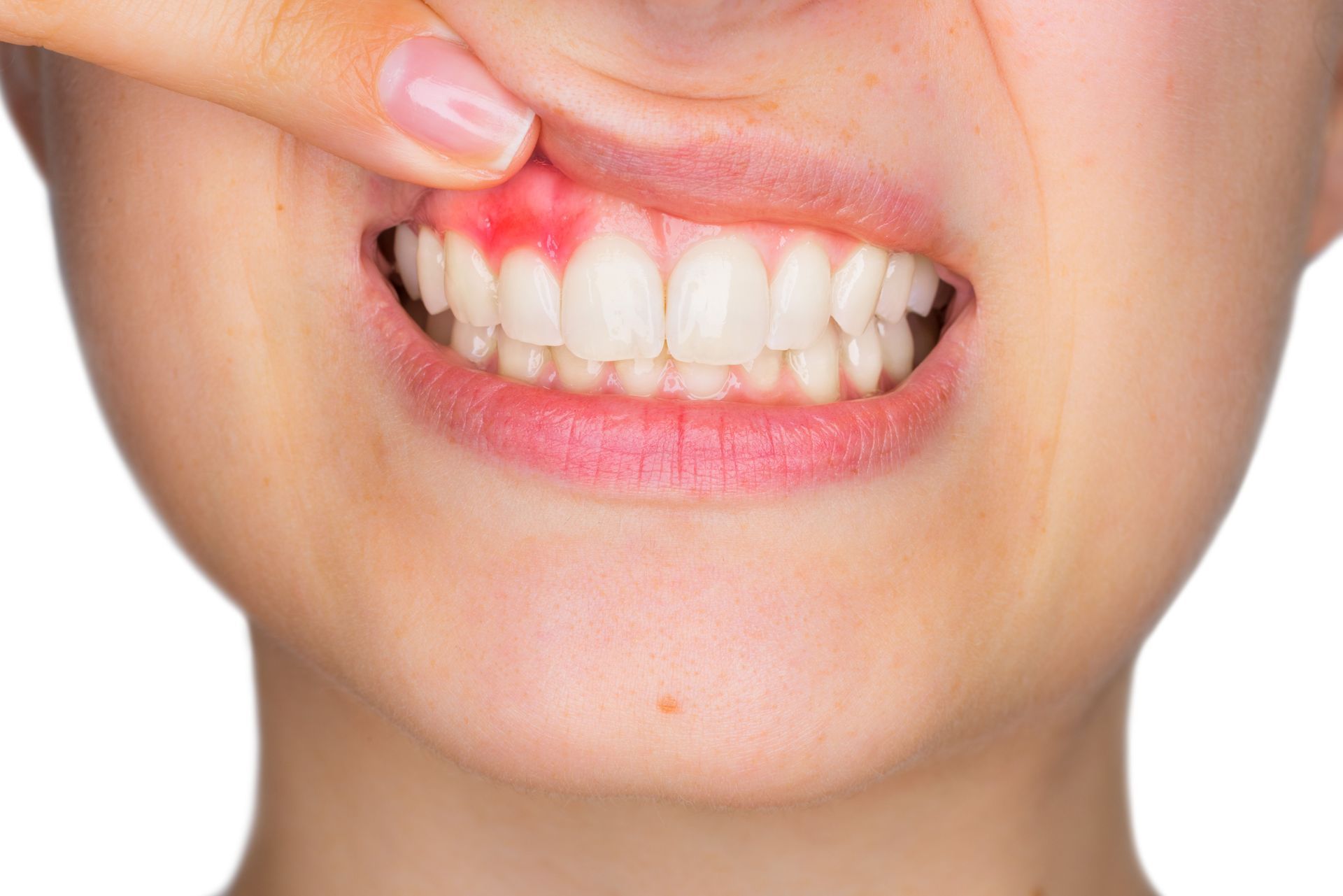
Not every patient requires wisdom teeth extraction, but there are several signs that indicate intervention is necessary. Common symptoms include persistent pain at the back of the mouth, noticeable swelling around the gums, difficulty opening the mouth, and recurrent infections that do not resolve with routine care. Some patients may notice chronic bad breath or an unpleasant taste caused by trapped food and bacteria around partially erupted or impacted teeth. In addition, misalignment or crowding of nearby teeth can signal the need for removal. A dentist or oral surgeon can thoroughly evaluate your teeth using clinical exams and X-rays to determine whether extraction is the safest and most effective option for maintaining long-term oral health.
Prepare for Wisdom Teeth Extraction
Preparation is an essential step for a safe and comfortable wisdom teeth extraction. Your dentist will review your complete medical history, discuss any medications you take, and may order X-rays or 3D imaging to assess tooth position, root development, and potential complications. Before surgery, patients should arrange for transportation home, plan for a recovery period of several days, and prepare soft foods for post-operative care. Dentists may advise fasting for a specific period before sedation and recommend wearing loose, comfortable clothing. Following pre-surgery instructions closely helps minimize risks, reduce anxiety, and ensure a smoother procedure, while also supporting faster healing and a more comfortable overall experience.
Understand the Surgical Procedure
Wisdom teeth extraction can be performed in a dentist’s office or an oral surgery center. According to WebMD, wisdom teeth removal surgery usually takes 45 minutes or less. Depending on the complexity, procedures can be done under local anesthesia, sedation, or general anesthesia. During the procedure, the dentist makes an incision in the gum tissue if the tooth is impacted, removes any bone blocking access, and extracts the tooth. In some cases, teeth may need to be sectioned into smaller pieces for easier removal. Finally, the incision is closed with sutures, which may be dissolvable or require removal at a follow-up appointment.
Manage Pain and Swelling After Surgery
Postoperative care is crucial to a comfortable recovery after wisdom teeth extraction. Swelling and mild discomfort are normal for the first few days. Dentists often recommend ice packs applied to the outside of the face to reduce inflammation. Pain can typically be managed with over-the-counter medications or prescribed pain relievers. Keeping your head elevated and resting during the first 24–48 hours helps minimize swelling. Avoiding strenuous activity and following your dentist’s care instructions prevents complications and speeds healing.
Maintain Oral Hygiene Safely
Maintaining oral hygiene after wisdom teeth extraction is important but requires caution to ensure proper healing. Patients should avoid brushing directly over the surgical site for the first day, as this can dislodge the blood clot and delay recovery. Gentle rinsing with warm saltwater or a dentist-recommended antiseptic mouthwash several times a day helps reduce the risk of infection and soothes irritated gums. Eating soft, nutrient-rich foods while avoiding hard, crunchy, sticky, or spicy items protects sensitive tissues and supports the body’s healing process. Proper care during the recovery period, including staying hydrated and resting as needed, can prevent complications such as dry sockets and promote faster, more comfortable healing while maintaining overall oral health.
Recognize Potential Complications
While wisdom teeth extraction is generally safe, patients should be aware of potential complications that, although uncommon, can occur. Dry socket, infection, nerve injury, and prolonged bleeding are among the risks that require careful attention. Dry socket happens when the blood clot at the extraction site becomes dislodged or dissolves too early, exposing the underlying bone and causing significant pain that may radiate to the jaw and ear. Following all post-surgery instructions, attending follow-up appointments, and contacting your dentist promptly if unusual symptoms such as severe pain, swelling, or fever occur can help minimize complications. Being aware of these potential issues and taking immediate action when necessary is key to ensuring a smooth, safe recovery and a successful outcome after wisdom teeth extraction.
Plan for a Smooth Recovery
Recovery from wisdom teeth extraction typically takes one to two weeks. Most swelling and discomfort subside within three to five days. Patients should plan for a period of rest, a soft-food diet, and limited physical activity. Regular follow-up appointments allow the dentist to monitor healing and remove any sutures if needed. Staying hydrated, avoiding smoking, and practicing gentle oral care help ensure the surgical site heals properly. A well-planned recovery can reduce discomfort and support long-term oral health.
Consider Long-Term Benefits
The decision to undergo wisdom teeth extraction is not solely about addressing immediate discomfort. Removing problematic third molars can prevent future dental issues, including tooth misalignment, gum disease, and chronic infections. Many patients experience improved oral hygiene and reduced pain after extraction. By addressing potential problems early, dentists help patients avoid more complex dental procedures later. Wisdom teeth extraction, when performed at the right time, is a proactive step toward maintaining a healthy, functional smile.
Consult a Qualified Dentist or Oral Surgeon
If you are experiencing pain, swelling, or other issues related to your wisdom teeth, consulting a qualified dentist or oral surgeon is the best course of action. They can evaluate your situation, explain treatment options, and determine whether wisdom teeth extraction is necessary. A professional evaluation ensures that the procedure is performed safely and that recovery is well-managed. Scheduling a consultation early can prevent complications and make the process more predictable and comfortable for patients.
Wisdom teeth removal is a common but important dental procedure that helps protect oral health and prevent long-term complications. Understanding what wisdom teeth are, recognizing the signs that extraction is needed, and knowing what to expect before, during, and after surgery empowers patients to make informed decisions. Proper preparation, post-surgery care, and follow-up appointments are critical for a smooth recovery and optimal results. Wisdom teeth extraction not only alleviates immediate discomfort but also supports long-term dental health, making it a proactive investment in your smile. If you are experiencing issues with your third molars, consulting a qualified dental professional can help you navigate the procedure safely and confidently. If you're ready to consult with a dentist about wisdom teeth extraction , contact our team at Nickles Dental Oral Surgery and Family Dentistry today.