March 12, 2026
Tooth pain is one of the most common reasons people seek dental care, and it often signals an underlying oral health concern. Discomfort can range from mild sensitivity to severe, persistent pain that interferes with eating, speaking, and sleeping. Identifying the cause early allows dental professionals to address the issue before it worsens.
According to the World Health Organization, nearly 3.5 billion people worldwide experience some form of oral disease, highlighting how widespread dental issues truly are. Tooth pain frequently serves as the first noticeable symptom of these conditions. Understanding the most common causes helps patients recognize when professional evaluation is necessary.
Recognizing Tooth Decay and Cavities
Tooth decay remains one of the leading causes of tooth pain across all age groups. Cavities develop when bacteria in plaque produce acids that gradually erode tooth enamel. As decay progresses deeper into the tooth, sensitivity and pain often become more noticeable.
When cavities reach the inner layers of the tooth, discomfort can intensify and become constant. Ignoring early decay allows damage to spread, increasing the risk of infection. Prompt dental treatment helps prevent minor decay from turning into severe tooth pain. Left untreated, advanced decay can eventually affect the tooth’s nerve, leading to more complex dental concerns. Addressing cavities early not only relieves tooth pain but also helps preserve the natural structure of the tooth for long-term oral health.
Identifying Gum Disease and Inflammation
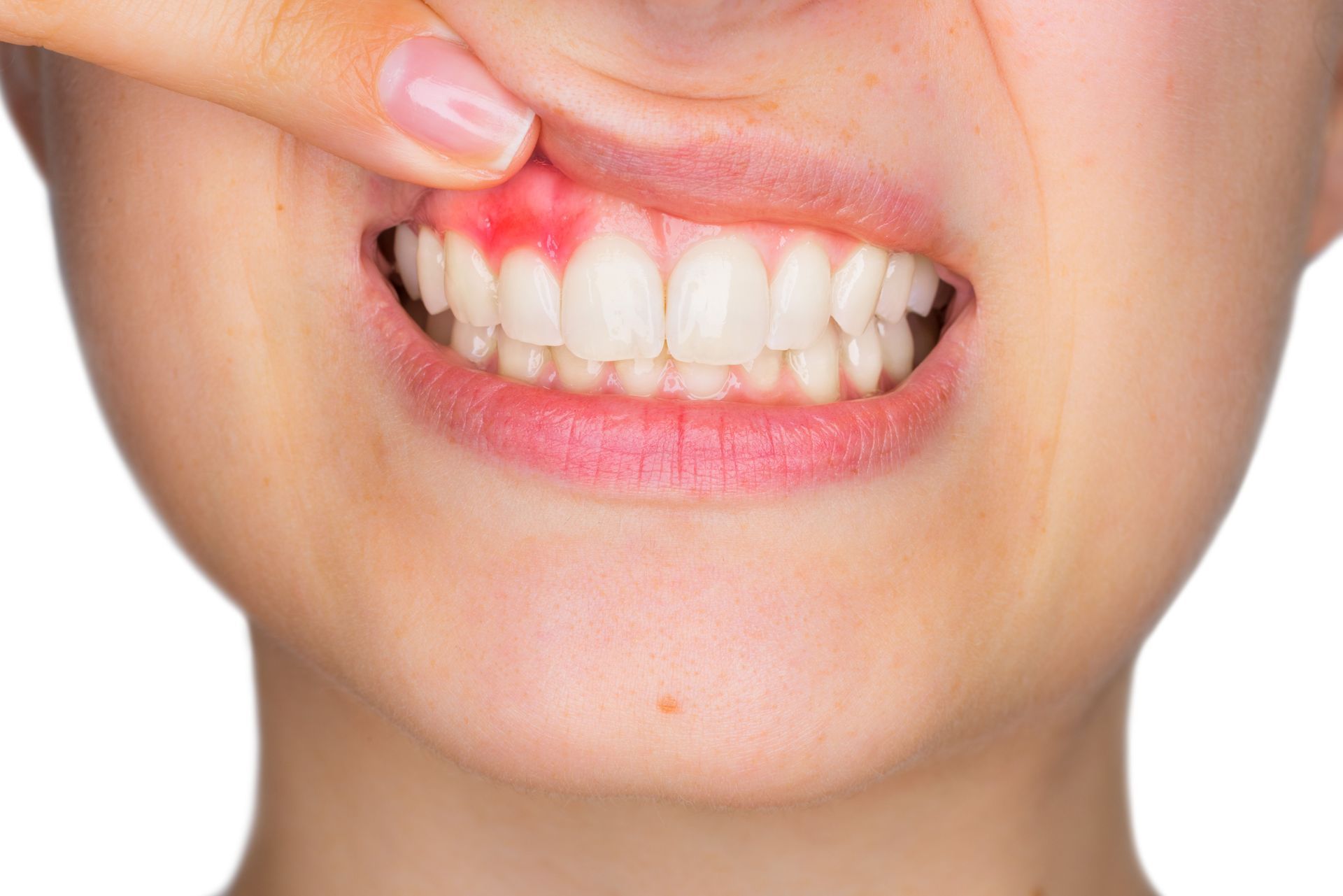
Gum disease is another frequent contributor to tooth pain, particularly when inflammation spreads beneath the gumline. Early stages may involve tenderness or bleeding, while advanced stages can expose tooth roots. This exposure often results in heightened sensitivity and persistent discomfort. As gum disease progresses, it can compromise the supporting structures of the teeth. Pain may worsen when chewing or applying pressure. Addressing gum health early helps reduce inflammation and protect long-term oral stability.
Experiencing Tooth Sensitivity Issues
Tooth sensitivity is a common form of tooth pain triggered by hot, cold, sweet, or acidic substances. This discomfort often occurs when enamel wears down or gums recede, exposing the underlying dentin. Sensitivity may feel sharp but usually subsides quickly. While sensitivity can seem minor, persistent symptoms may indicate deeper issues. Structural changes in the tooth can worsen over time if left untreated. Professional evaluation helps determine the source and appropriate treatment options.
Dealing with Dental Infections and Abscesses
Dental infections occur when bacteria enter the inner pulp of the tooth, often due to untreated decay or trauma. These infections can lead to abscesses, which are pockets of pus that cause severe tooth pain and swelling. The pain may radiate to the jaw, ear, or neck. Infections pose serious health risks if they spread beyond the tooth. Symptoms often worsen without intervention, making timely care essential. Professional treatment addresses both pain relief and infection control.
Understanding Cracked or Fractured Teeth
Cracks and fractures can develop from injury, teeth grinding, or biting down on hard objects. Even small cracks can cause significant tooth pain when pressure is applied. The discomfort may come and go, making diagnosis challenging. Damage to the tooth structure allows bacteria to penetrate sensitive areas. Over time, cracks can worsen and compromise the tooth’s integrity. Early detection helps preserve the tooth and minimize discomfort.
Noticing Pain from Impacted Teeth
Impacted teeth, particularly wisdom teeth, are a common source of tooth pain. When teeth fail to fully emerge, they can press against neighboring teeth or become trapped beneath the gums. This pressure often causes swelling, soreness, and infection. Pain from impacted teeth may worsen over time as surrounding tissues become inflamed. Crowding and alignment issues can also develop. Professional assessment determines whether treatment is needed to prevent complications.
Experiencing Pain from Teeth Grinding
Chronic teeth grinding, also known as bruxism, places excessive stress on teeth and jaw muscles. Over time, this pressure can wear down enamel and create microfractures. Tooth pain often appears alongside jaw soreness or headaches. Grinding often occurs during sleep, making it difficult to detect early. Continued stress can lead to sensitivity and structural damage. Addressing grinding habits helps reduce long-term discomfort.
Recognizing Issues with Dental Restorations
Dental restorations such as fillings or crowns can sometimes contribute to tooth pain if they become damaged or improperly fitted. High spots or wear can place uneven pressure on the tooth. Sensitivity may occur when biting or chewing. Over time, restorations may shift or degrade, exposing vulnerable areas. Pain may gradually increase as the tooth becomes stressed. Regular evaluations help ensure restorations remain functional and comfortable.
Understanding Sinus-Related Tooth Pain
Sinus infections can sometimes mimic tooth pain, especially in the upper teeth. Pressure and inflammation in the sinus cavities can radiate downward, creating discomfort that feels dental in origin. This type of pain often worsens with congestion. Distinguishing sinus-related discomfort from dental causes requires professional assessment. Treating the underlying sinus issue often relieves the associated pain. Accurate diagnosis ensures appropriate care.
Experiencing Pain from Trauma or Injury
Accidents and impacts can damage teeth even when no visible fracture appears. Internal injuries to the tooth pulp can result in delayed tooth pain. Symptoms may develop days or weeks after the initial trauma. Undiagnosed injuries can lead to infection or nerve damage. Monitoring changes after dental trauma is critical. Professional evaluation ensures hidden damage is identified early.
Recognizing the Role of Aging and Wear
As people age, years of use can affect tooth structure and enamel thickness. Natural wear may expose sensitive areas and contribute to tooth pain. Older restorations may also require reassessment. Age-related changes are often gradual but noticeable over time. Increased sensitivity or discomfort should not be dismissed as normal aging. Professional care helps manage these changes effectively.
Understanding How Pain Signals Underlying Issues
Tooth pain rarely occurs without a reason, and it often indicates an underlying condition requiring attention. Temporary relief does not address the root cause of discomfort. Understanding pain signals helps prevent long-term damage. Dental professionals evaluate symptoms to determine appropriate treatment pathways. Early intervention often leads to simpler solutions. Ignoring pain can allow conditions to progress unnecessarily.
Supporting Long-Term Oral Health Through Awareness
Awareness of common causes empowers patients to seek timely care. Understanding how various conditions contribute to tooth pain supports better decision-making. Proactive attention helps preserve comfort and function. Maintaining oral health involves recognizing changes and responding promptly. Professional guidance plays a vital role in managing discomfort. Long-term wellness depends on consistent evaluation and care.
Knowing When to Seek Professional Dental Care
Persistent or worsening tooth pain should always prompt a professional evaluation. Pain that interferes with daily activities often signals a condition requiring treatment. Early care helps prevent complications and extensive procedures. Dental professionals use advanced diagnostics to identify the source of pain. Timely intervention supports faster relief and better outcomes. Seeking care at the first sign of trouble protects overall oral health.
Understanding the common causes of tooth pain helps patients feel more confident about seeking care. Addressing issues early supports comfort, function, and long-term dental health. Professional evaluation ensures accurate diagnosis and effective treatment. If you are experiencing
tooth pain
or have concerns about your oral health, Nickles Dental Oral Surgery and Family Dentistry is here to help. Contact Nickles Dental Oral Surgery and Family Dentistry today to schedule an appointment and take the first step toward lasting relief and a healthier smile.