April 22, 2026
Deciding whether to keep those third molars can feel like a bit of a toss-up, but for most of us, those extra teeth end up causing more trouble than they’re worth. While some people have enough room in their mouths for them to grow in perfectly, many of us deal with a jaw that just isn't built for a third set of molars. When things get crowded, it’s not just a matter of a little discomfort; it can actually impact the health of your entire mouth. Staying on top of these things is part of a solid health routine, and it’s a habit many people take seriously. According to the CDC, 65% of individuals in the U.S. over the age of 18 have had a dental exam or cleaning within the last 12 months. Taking that proactive step usually leads to a conversation about whether it’s time to let those wisdom teeth go to keep the rest of your smile in good shape.
1. Protecting Your Existing Smile Alignment
One of the big reasons people choose to move forward with removal is to keep their other teeth from shifting around. When wisdom teeth start to push through, they act like a row of falling dominoes, exerting pressure on the teeth you already have. This can lead to significant crowding, which makes your smile look different and can even change how your bite feels when you eat. If you’ve ever dealt with tooth pain from your teeth being squeezed together, you know how distracting it can be. For anyone who spent years in braces or using clear aligners, the last thing you want is for a new set of molars to undo all that hard work and investment. Keeping the jaw clear of that extra pressure helps maintain the straight, functional smile you’ve worked for.
2. Lowering the Chances of Oral Infections
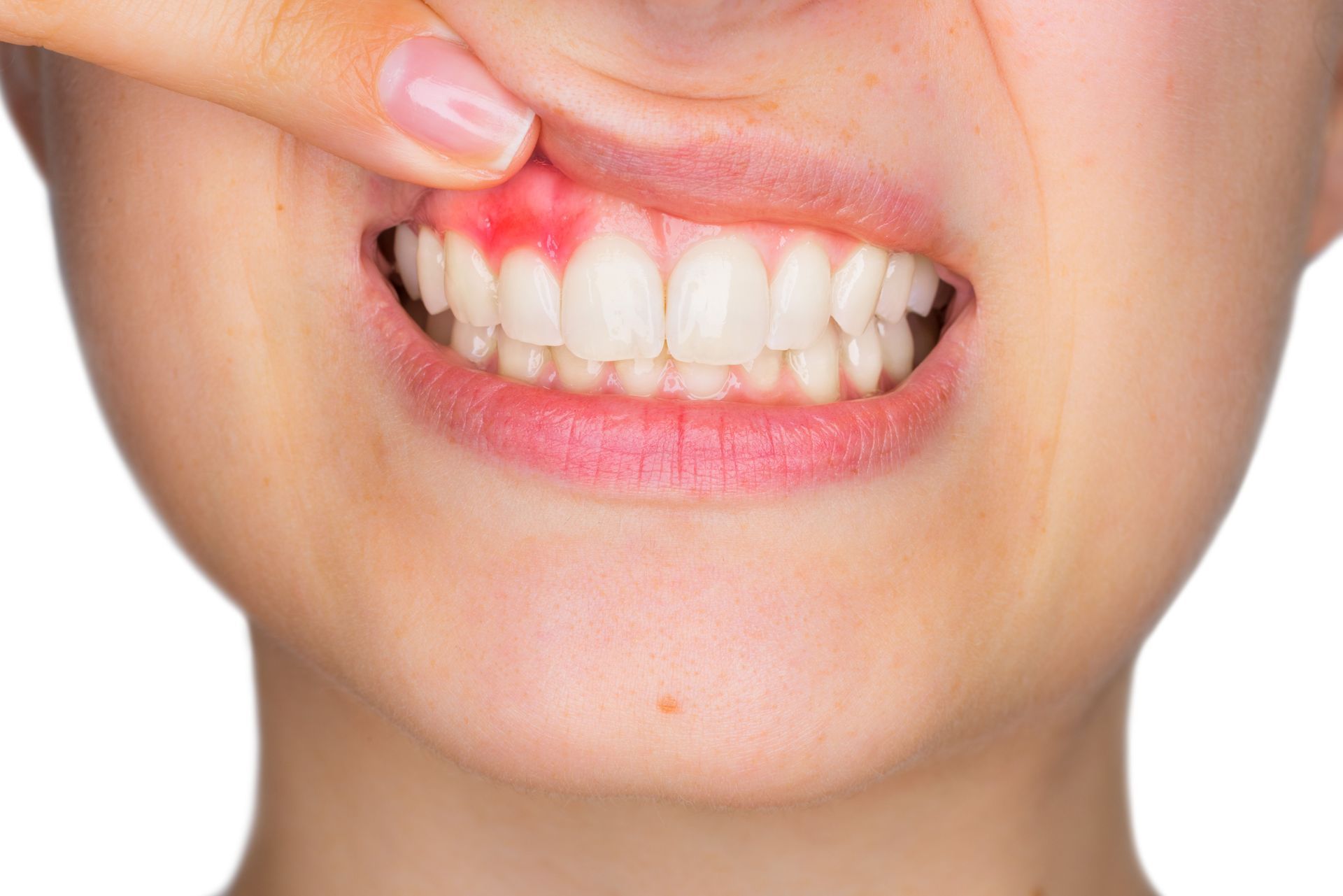
Because wisdom teeth are so far back in the mouth, they are notorious for only "partially" erupting, which creates a perfect little hiding spot for bacteria. When the tooth only comes partway through the gum, it leaves a flap of tissue that traps food particles and plaque. This often leads to a specific kind of inflammation and infection that can cause quite a bit of swelling and tooth pain. Since these areas are nearly impossible to keep clean with a normal toothbrush or floss, the bacteria just sit there and multiply. Removing the teeth removes the risk of these recurring infections and the more serious issues, like abscesses, that can stem from them. It’s a simple way to clear out a major "trouble zone" in your mouth.
3. Preventing Damage to Your Healthy Molars
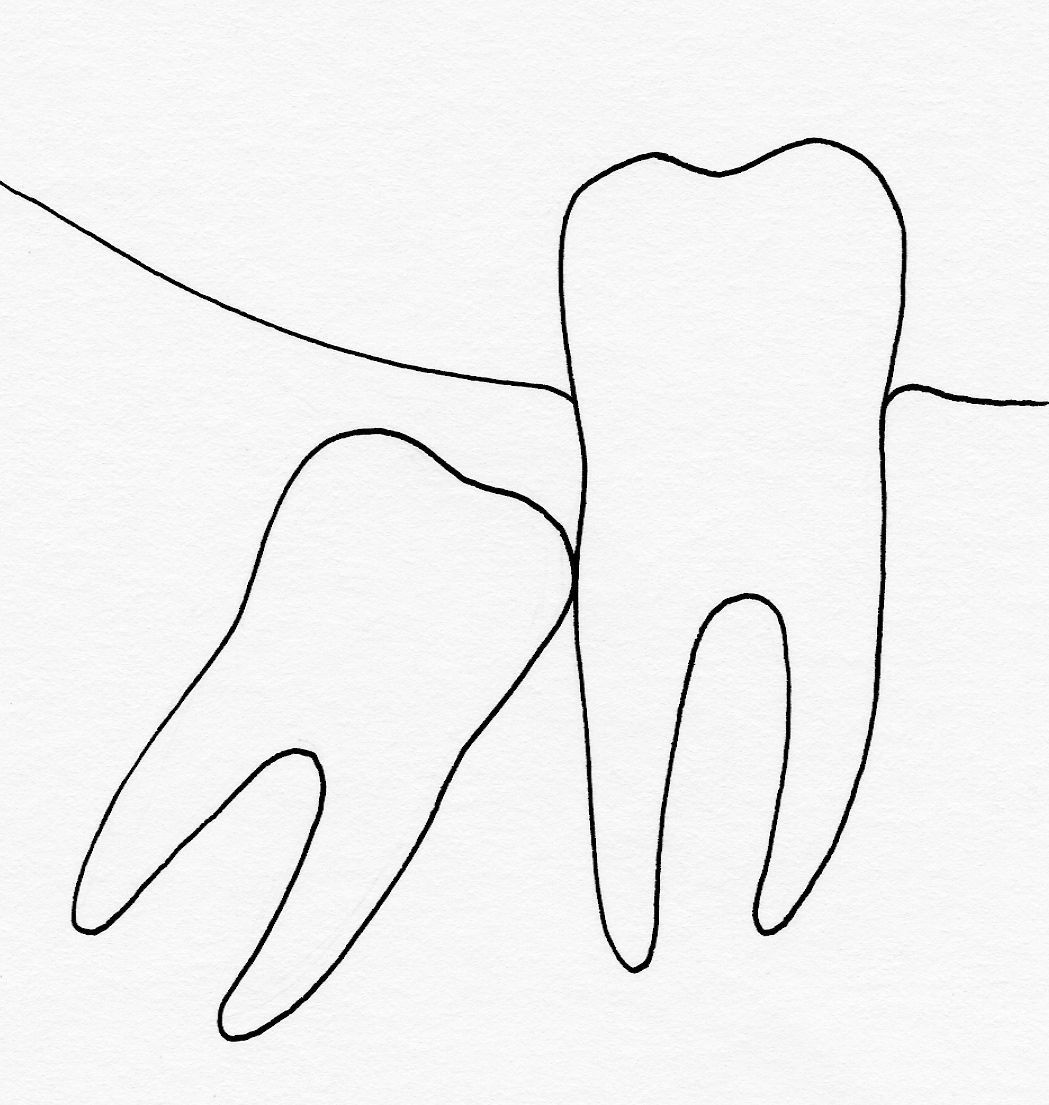
It isn't just the wisdom teeth themselves that are at risk; it’s the healthy second molars sitting right next to them. When a wisdom tooth grows in at an angle, it often slams right into the roots of the neighboring tooth. Over time, this constant pressure can actually wear away the enamel or the root structure of the healthy tooth. This kind of hidden damage often results in a deep tooth pain that is hard to pin down until the damage is already done. Furthermore, the tight gaps created by these angled teeth are magnets for cavities. By removing the third molars, you’re essentially creating a safer, cleaner environment for the rest of your teeth to stay strong and cavity-free.
4. Stopping Cysts and Jawbone Issues
In some cases, the issues with wisdom teeth happen entirely below the surface where you can't see them. When a tooth is impacted—meaning it’s stuck under the gum or bone—a sac can form around it. If that sac fills with fluid, it becomes a cyst, which can actually hollow out a portion of your jawbone or damage the nerves in the area. While you might not feel a cyst forming right away, it can eventually lead to a dull tooth pain or structural weakness in the jaw. In very rare instances, these can even develop into tumors that require much more intensive surgery to fix. Getting those teeth out early is a great way to make sure these hidden complications never have a chance to start.
5. Finding Relief from Chronic Discomfort
Life is a lot harder when you’re constantly dealing with an ache in the back of your mouth. For many, the eruption process itself is a long, drawn-out period of discomfort that comes and goes for years. This pressure doesn't just stay in the gums, either; it can radiate outward, leading to jaw stiffness and even tension headaches. If you find yourself reaching for ibuprofen because of a lingering tooth pain every few weeks, your wisdom teeth might be the silent culprit. Once those teeth are removed, that constant source of pressure is gone, and many people are surprised at how much better their whole head and jaw feel once they’ve healed up.
6. Making Daily Cleaning Much Easier
Let’s be honest: reaching the very back of your mouth with a toothbrush is an Olympic sport. Even if you are incredibly diligent with your oral hygiene, those third molars are tucked so far back that they often don't get cleaned properly. This lack of access can lead to plaque accumulation, which is a primary catalyst for decay and gum disease. Extracting wisdom teeth, especially when they prove difficult to reach, simplifies oral hygiene routines. As a result, individuals can maintain a cleaner, healthier mouth with a reduced effort.
7. Avoiding Future Emergency Procedures
There’s never a convenient time for a dental emergency. Often, people wait until they are in absolute agony from
tooth pain
before they decide to deal with their wisdom teeth. By that point, you might be dealing with a massive infection or a tooth that has shifted so much it’s causing an immediate problem. Opting for a planned removal when you’re younger and healthy typically means a faster recovery and much less stress. It allows you to choose a time that fits your schedule rather than being forced into an appointment because you can’t sleep or eat. Taking care of it on your own terms is always the smoother path to a healthy mouth.
The decision to move forward with this procedure is really about long-term peace of mind and maintaining a high quality of life. By choosing to address these concerns early, you are actively preventing the kind of sudden, throbbing discomfort that can disrupt your work and family life. It’s about more than just a quick fix; it is a strategic investment in your overall physical well-being. Keeping your smile healthy and functional allows you to focus on what matters most. Making the choice to have surgery is a big deal, but it’s one of those things that your future self will likely thank you for. When you look at the big picture—keeping your teeth straight, avoiding painful infections, and protecting your jawbone—it’s easy to see why removal is such a common recommendation. Every mouth is unique, so the best way to figure out what’s happening under your gums is to chat with a professional who can see the whole landscape. Taking care of your oral health is an ongoing journey, and addressing your wisdom teeth is a major milestone in keeping your smile comfortable and healthy for years to come. If you're ready to take the next step, reach out to Nickles Dental Oral Surgery and Family Dentistry.