June 23, 2026
In recent years, aligners have become a popular alternative to traditional braces. Their discreet appearance and convenience appeal to many who wish to straighten their teeth without the obvious metallic look of braces. However, while aligners offer numerous benefits, they are not without potential issues that can arise during their use. It is essential to recognize when professional dental intervention is necessary to address these problems effectively. Let's explore the world of aligners, highlighting common dental concerns and the importance of seeking professional help when required.
Understanding Aligners
History of Aligners
The evolution of orthodontic treatment has brought aligners into the spotlight. Initially, metal braces were the only option for correcting dental irregularities. However, advances in technology led to the development of clear aligners, providing a more aesthetically pleasing solution. Aligners, such as Invisalign, have revolutionized orthodontics, allowing greater flexibility and comfort for users. Their history is a testament to the continuous pursuit of improving dental care options.
The journey from traditional braces to modern aligners reflects a significant shift in dental culture. Patients now seek effective treatments that do not compromise their appearance. Aligners have gained prominence for offering a blend of efficiency and subtlety. This development aligns with a trend towards minimally invasive procedures in the broader medical field. Understanding the past of aligners helps appreciate why they are so popular today.
How Aligners Work
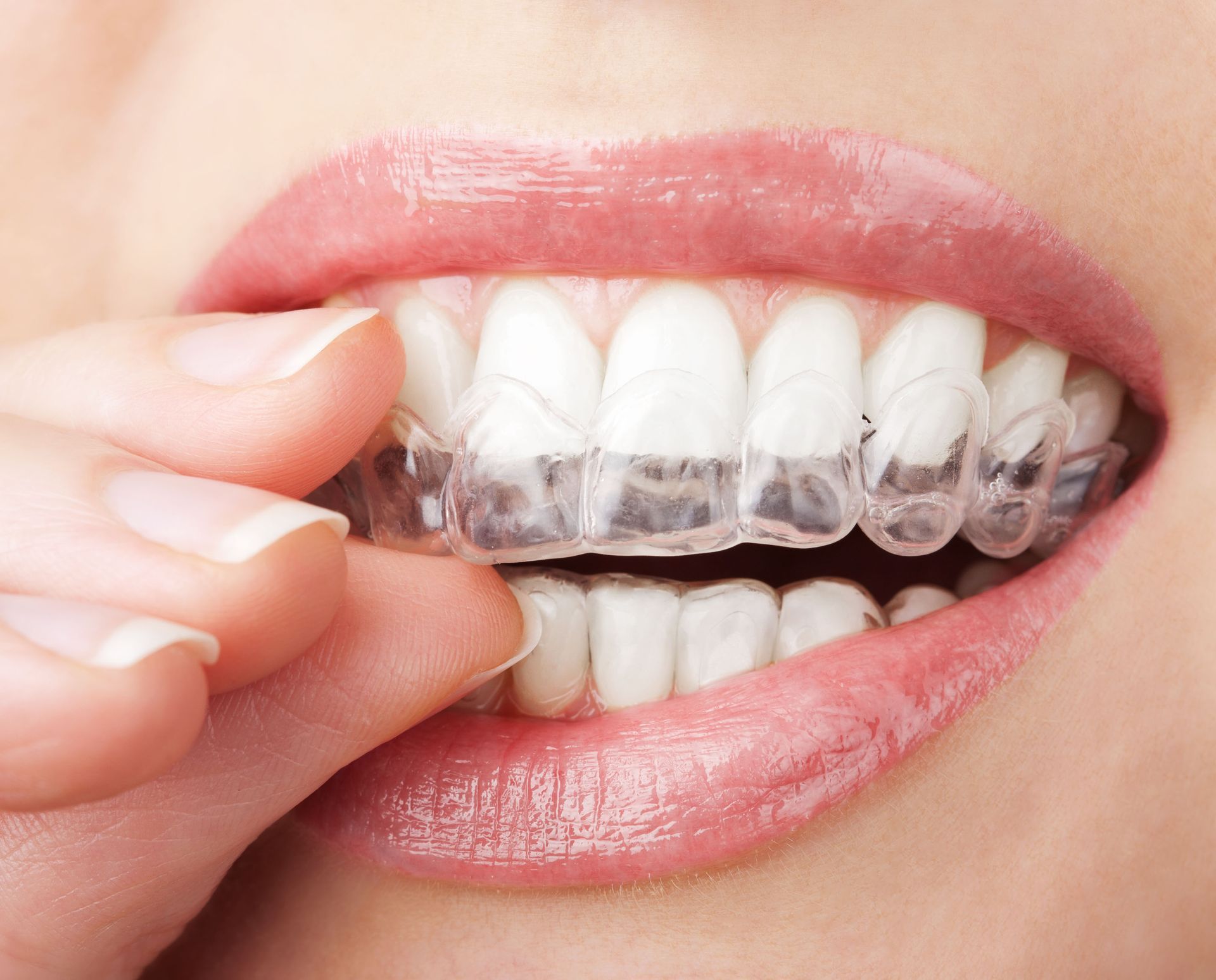
Aligners function by gradually shifting teeth into their desired positions. They achieve this through a series of custom-made, clear plastic trays that patients wear over their teeth. Every few weeks, a new set of trays applies gentle pressure to guide the teeth's movements. The science behind this method is rooted in orthodontic fundamentals, employing gradual force to reposition teeth. Aligners must be worn for at least 20 to 22 hours a day for optimal results.
Types of Aligners Available
There are various types of aligners available, each with its set of unique features. The most well-known brand is Invisalign, which pioneered the aligner industry with its innovative technology. Some aligners are designed for in-office treatment, while others are part of the growing trend of at-home kits. Each type has its benefits, and choosing the right one can significantly influence treatment outcomes.
The choice of aligners is often influenced by patients' personal preferences and financial considerations. Some users prioritize discretion and professional supervision, opting for in-office aligners like Invisalign. In contrast, some people choose at-home solutions due to their affordability and convenience. According to Forbes Health, 27% of people experiencing societal pressure to fix their smiles looked into at-home teeth aligners as an alternative to traditional in-office dentistry. Such choices reflect a broader trend toward personalized healthcare solutions.
Benefits of Using Aligners
Aligners offer several benefits over traditional braces, with aesthetics being a primary advantage. Their transparent material makes them less noticeable, appealing to those conscious of their appearance. Furthermore, aligners are removable, granting users the flexibility to eat and clean their teeth with ease. This aspect enhances overall oral hygiene as users can brush and floss without hindrance. Additionally, aligners typically entail fewer visits to the dentist, saving time and reducing inconvenience.
Potential Drawbacks
Despite their advantages, aligners are not without drawbacks. One significant consideration is the need for discipline; as they are removable, patients may forget to wear them for the recommended duration. Failure to consistently wear aligners can lead to suboptimal results and prolonged treatment times. Additionally, not all dental issues are suitable for aligner treatment. Complex cases might still require traditional orthodontic solutions, limiting the applicability of aligners.
Common Causes of Teeth Pain With Aligners
Initial Adjustment Period
When first introducing aligners, a significant adjustment period is expected. This period is defined by initial discomfort as the aligners begin applying pressure to teeth. The teeth, accustomed to a static position, can feel sore as they start shifting. Such sensations typically diminish as the mouth acclimates to wearing aligners. The adaptation phase is essential for preparing the mouth and teeth for eventual realignment.
Misfit of Aligners
One common source of teeth pain with aligners is a poor fit. When aligners do not fit properly, they can exert uneven pressure, leading to pain. This can occur from subpar moldings or deviations in expected progress. Misaligned trays can also interfere with chewing, exacerbating discomfort and potential oral issues. Proper alignment is critical for avoiding complications and discomfort.
Oral Hygiene Concerns
Maintaining oral hygiene is vital during aligner treatment to prevent pain and complications. Aligners can trap food particles and bacteria, leading to decay or gum disease if not managed adequately. This trapping can result in teeth pain and more severe dental issues requiring professional attention. It is crucial that patients adhere to a rigorous oral hygiene regimen, removing aligners to brush and floss effectively. Routine cleaning of the aligners themselves is equally important in minimizing discomfort.
Denture Pain and Sensitivity
Denture pain can also occur due to pre-existing conditions or heightened sensitivity. Aligners exert pressure on teeth, potentially exacerbating sensitivity issues not previously noticeable. Existing dental conditions, such as cavities or exposed roots, could lead to significant teeth pain. Such situations underscore the importance of a comprehensive dental examination before commencing aligner treatments. Identifying underlying dental issues averts future complication escalation.
Gum Inflammation
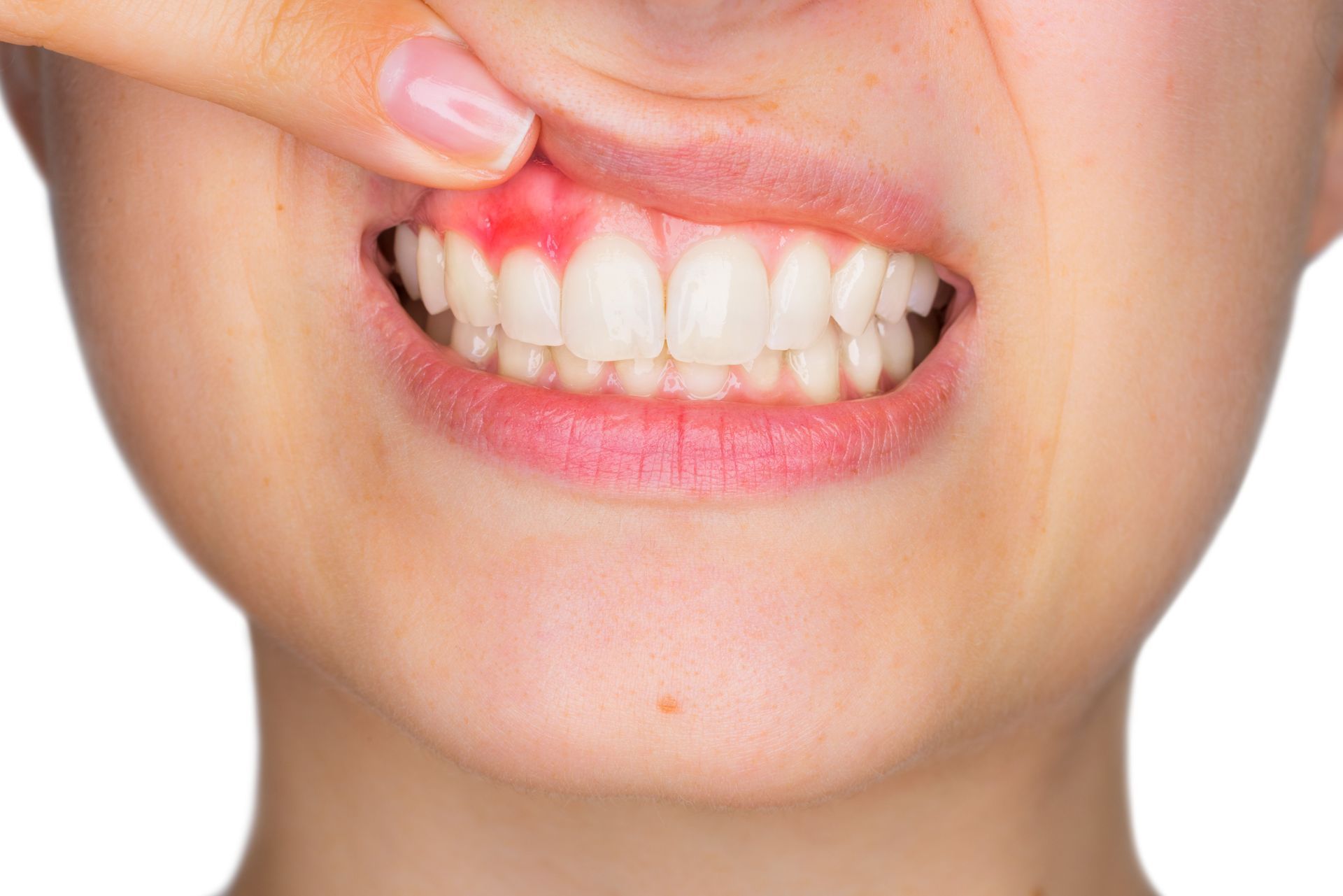
Gum inflammation is a potential issue for aligner users, often resulting in tenderness and pain. Poor oral hygiene, misaligned trays, or underlying gum issues can lead to inflammation. Left unaddressed, this irritation can escalate to more serious oral health concerns. Aligners, while discreet, rely heavily on maintaining gum health to facilitate effective orthodontic progress. Recognizing the signs of gum inflammation at an early stage aids in timely intervention.
Signs You Need Professional Help
Persistent Pain
One significant indicator that professional dental help is necessary is persistent teeth pain. While some discomfort is normal when first adjusting to aligners, pain that does not subside needs evaluation. Extended pain can suggest misalignment or an underlying dental issue exacerbated by the aligners. This constant discomfort could affect daily activities, from eating to sleeping, indicating a pronounced problem. In such cases, visiting a dental professional is crucial for examination and correction.
Visible Damage to Teeth or Aligners
Visible damage to aligners or teeth is a primary reason to seek professional advice. Damage to an aligner can render it ineffective, compromising the entire treatment plan. Chips, cracks, or warping in aligners may indicate wear or improper handling. Such issues could harm teeth health, necessitating intervention for effective treatment continuity. Immediate professional evaluation and remedy ensure treatment proceeds unimpeded.
Alignment Issues
Alignment issues manifest when teeth do not move as planned, signaling potential problems. Periodic professional checks are vital for identifying and correcting trajectory deviations early. Misalignment impacts not only treatment progression but also overall oral health, leading to discomfort or abnormal wear patterns on teeth. Recognizing early indicators, such as altered bite function, minimizes long-term effects. Such cases necessitate timely professional advice for diagnosis and intervention.
Unexplained Swelling
Unexplained swelling in the mouth can be a clear indicator that professional intervention is needed. This swelling could result from an allergic reaction to materials used in aligners or underlying infections. Persistent swelling brings discomfort and potential danger if untreated, escalating into serious oral health issues. Identifying swelling involves patience; regular inspections and tracking changes uphold effective identification. Immediate consultation maintains both oral health and aligner efficacy.
Aligners have transformed orthodontic treatment by offering a discreet, convenient, and effective way to straighten teeth. While many patients enjoy successful outcomes with minimal discomfort, it's important to remember that aligners still require careful monitoring and proper use. Issues such as persistent teeth pain , gum inflammation, poor aligner fit, swelling, or unexpected changes in tooth movement should never be ignored. Recognizing these warning signs early can help prevent more serious dental complications and keep treatment on track. By maintaining good oral hygiene, following wear instructions, and seeking professional dental care at Nickles Dental Oral Surgery and Family Dentistry when concerns arise, you can maximize the benefits of aligner therapy while protecting your overall oral health. Reach out to us today to learn more!