July 21, 2026
Periodontal disease is a serious bacterial infection that compromises the structures holding your teeth in place, including the gums, ligaments, and bone. Spotting the earliest indications of this condition is vital for stopping its advancement into more destructive stages that lead to tooth loss. Gaining a clear understanding of these early warnings allows individuals to take immediate action to protect their smiles and ensure long-term stability. If you experience sudden discomfort or notice severe changes, seeing an emergency dentist can help stop the progression of the disease. Prioritizing oral health today ensures a stronger smile tomorrow.
Recognizing Persistent Bleeding Gums
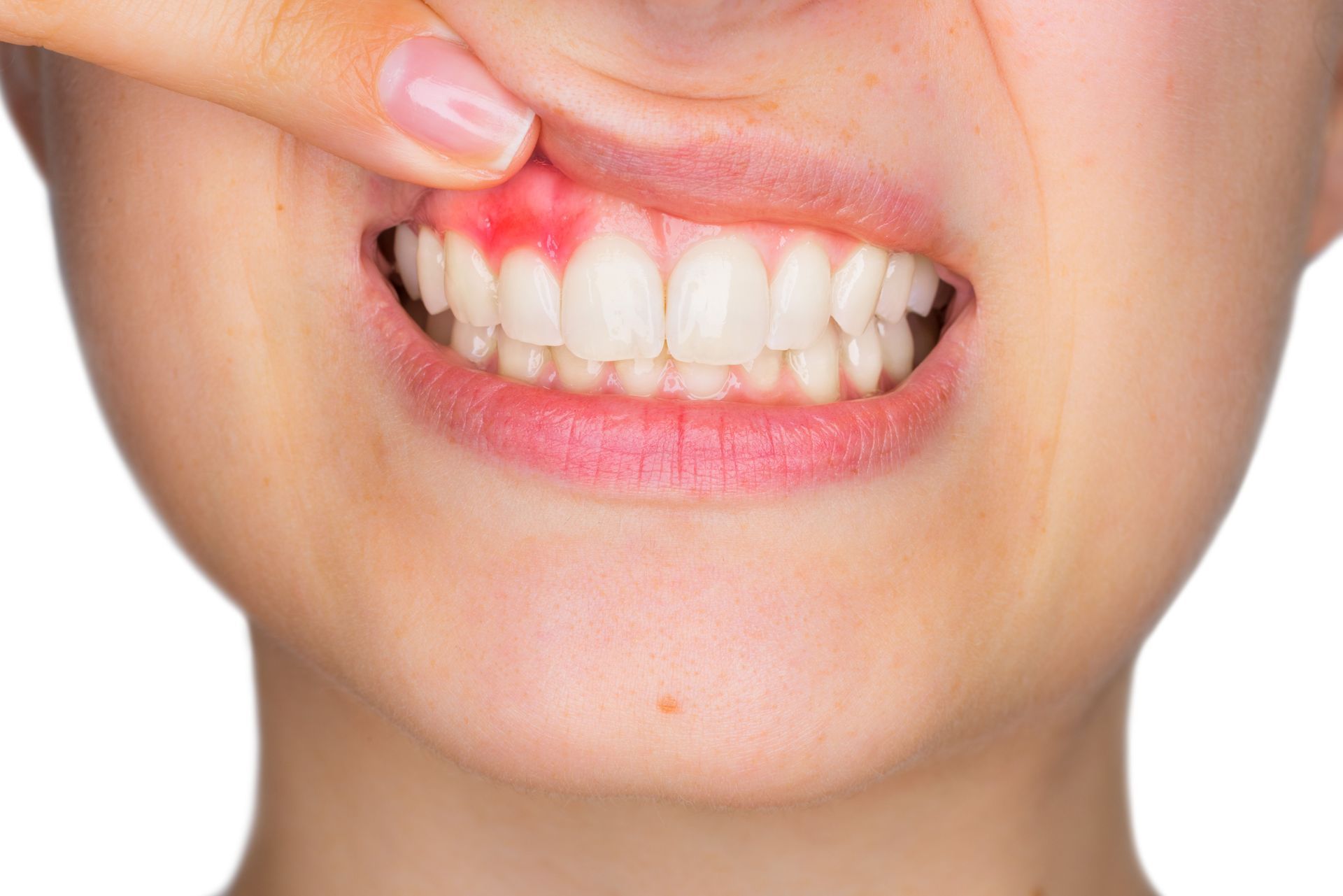
One of the initial indicators of periodontal disease is bleeding gums during brushing or flossing, which points to underlying tissue inflammation. This problem typically stems from inadequate hygiene that allows bacterial film to accumulate steadily along your delicate gumline over time. Healthy tissues generally appear pink and firm, whereas irritated areas look noticeably red and sensitive during normal cleanings. If you observe persistent bleeding that does not improve, consulting an emergency dentist can provide you with a clear diagnosis and prevent the development of more complex conditions later on.
When plaque remains on your teeth for extended periods, it transforms into a hardened substance called tartar that cannot be removed at home. This rough deposit continuously irritates the surrounding tissues, maintaining a state of localized inflammation that gradually weakens the structural bond. Professional dental therapies are necessary to clear away this calcified debris and allow your gums a proper opportunity to heal completely. Taking timely action ensures that early stages of tissue irritation do not lead to serious, irreversible bone degradation around your teeth.
Recognizing Chronic Tissue Swelling
Puffiness and swelling are noticeable signs of early gum issues, indicating the natural immune response to a bacterial presence. Normal tissues should fit tightly against the base of each tooth, but active infection causes the area to look enlarged and crimson. This physical alteration happens as fluid and blood cells rush to the site to fight off harmful microorganisms beneath the gumline. When localized swelling becomes unusually painful, visiting an emergency dentist is critical for immediate clinical management to protect the deeper connective tissues from facing damage.
According to the CDC, roughly 21% of adults between the ages of 20 and 64 in the U.S. have at least one untreated cavity. Unresolved decay creates additional areas where dangerous bacteria can accumulate, multiplying the risk of severe localized tissue inflammation nearby. Dental practitioners routinely look for these combined issues during detailed clinical assessments to treat both conditions effectively at the same time. Resolving active irritation helps soothe the delicate areas and encourages them to bond firmly back to your teeth.
Recognizing Ongoing Bad Breath
Chronic bad breath, known as halitosis, often serves as a primary warning sign that bacterial populations are growing unchecked inside your mouth. These organisms generate volatile sulfur compounds as they consume microscopic debris, producing a persistent unpleasant odor that cannot be resolved by standard brushing. While using consumer rinses might mask the scent for a brief period, they do not touch the deep bacterial source. Reaching out to an emergency dentist allows for an accurate evaluation to identify where these problematic colonies are flourishing.
When periodontal concerns trigger chronic breath odors, standard home hygiene routines are usually insufficient to solve the problem completely. The underlying bacteria tend to settle deeply into hard-to-reach spots that require clinical instruments to clean and sanitize thoroughly. Professional interventions can pinpoint exactly whether the odor stems from localized gum irritation or other hidden structural decay. Establishing a balanced, sanitized oral environment helps eliminate halitosis while halting further bacterial migration into vulnerable areas, enhancing personal comfort.
Recognizing Receding Gum Lines
Gum recession occurs when the soft tissue surrounding your teeth begins to pull back, exposing the underlying root structures over time. This condition makes your teeth look unusually long, which can alter the natural symmetry and appearance of your smile completely. Exposed roots lack the protective enamel layer that covers the upper crown, making them highly vulnerable to aggressive decay. If you observe a sudden shift in your gumline paired with acute local pain, contacting an emergency dentist can help you secure protective treatments immediately.
While aggressive brushing and tobacco habits contribute to recession, chronic bacterial buildup remains the most prominent driver of tissue detachment. As the margin moves lower, it forms tiny shelters where destructive plaque continues to gather without being disturbed by normal brushing. Dental treatments provide supportive paths to stabilize the tissue boundaries and coat exposed root surfaces securely against external wear. Halting this process is essential for maintaining the physical matrix of your mouth and preventing early tooth loss.
Recognizing Elevated Tooth Sensitivity
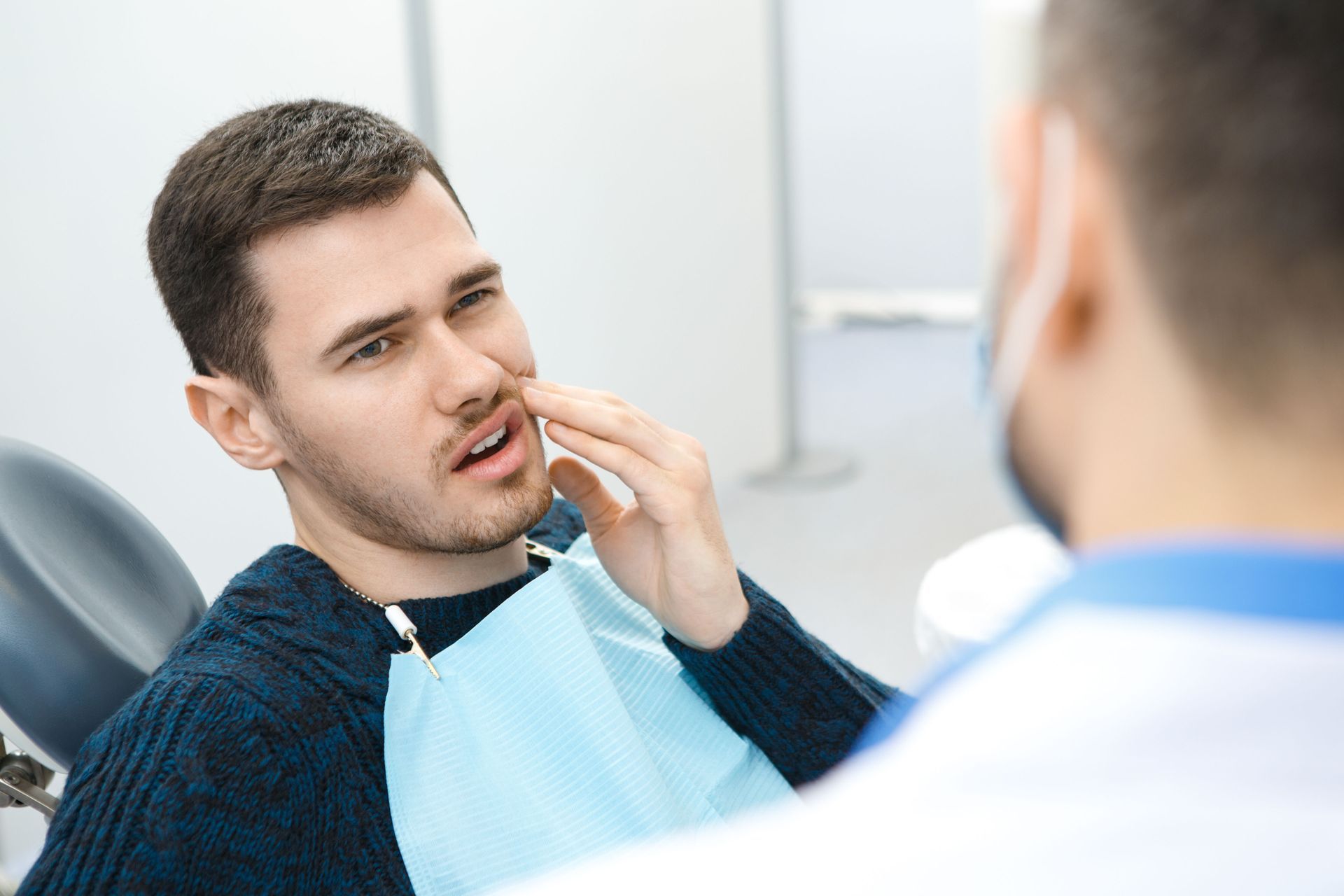
Feeling sharp discomfort when consuming hot, cold, sweet, or highly acidic items is frequently a byproduct of advancing periodontal issues. When protective tissue moves away due to constant irritation, the vulnerable dentin layer underneath is left exposed to daily temperature changes. This layer contains thousands of microscopic pathways that lead directly to the main tooth nerve, sending sudden jolts of pain when stimulated. If this sensitivity becomes exceptionally intense, seeing an emergency dentist can reveal if an infection has penetrated the inner pulp chamber.
Alleviating local sensitivity requires managing the underlying tissue condition while utilizing protective topical treatments to seal the exposed microscopic pathways. Clinical teams can apply specialized desensitizing agents or recommend specific care products to minimize your daily physical discomfort significantly. Overlooking persistent sensitivity can allow hidden bacterial decay to progress into the deeper sections of the root without being noticed. Taking steps to calm the local nerves and heal the surrounding areas brings lasting relief and allows comfortable eating.
Recognizing Deep Pocket Formation
In a completely healthy mouth, the space between your gum tissue and the tooth is shallow, measuring very few millimeters. As periodontal infection advances, the tissue detaches further from the tooth structure, leading to the creation of deep periodontal pockets. These widening gaps quickly collect harmful plaque, hardened tartar, and food particles that are impossible to reach with ordinary home cleaning tools. If you suspect these pockets are developing and causing deep structural soreness, a prompt visit to an emergency dentist can safely clear out the trapped debris.
When these spaces are left uncleaned, the bacterial presence continues to move downward, systematically eroding the bone that holds your teeth stable. Specialized deep cleaning protocols, including scaling and root planing, are utilized to remove the hidden bacteria and smooth the root surfaces completely. This treatment reduces pocket depth, allowing the delicate tissues an opportunity to heal and fit tightly back against the teeth. Routine follow-up visits are necessary to keep these spaces free of debris and ensure the infection does not return.
Taking a proactive stance against periodontal disease by recognizing these common warning signs is the most effective strategy for safeguarding your lifelong oral health. Paying close attention to subtle developments like bleeding, swelling, bad breath, and sensitivity allows you to seek professional care before irreversible bone loss occurs. When unforeseen discomfort or rapid tissue changes happen outside your normal routine, utilizing an
emergency dentist
ensures your mouth receives prompt attention. Same-day services are available to handle urgent dental concerns quickly, though the practice does not maintain twenty-four-hour operations. To experience focused care from a dedicated provider and schedule your upcoming visit, reach out to Nickles Dental Oral Surgery and Family Dentistry.